Best Interactive Electronic Pets for Kids: A Buying Guide
Choose interactive electronic pets based on the child's age, desired interaction level, and safety features. Consider if you prefer robotic animals or responsive plush toys, and manage expectations about realism compared to real pets.
What Are Interactive Electronic Pets and Why Are They Great for Kids?
Interactive electronic pets are advanced toys designed to mimic the behaviors and characteristics of real animals through the use of technology. These toys can respond to touch, sound, and sometimes even voice commands, providing a lifelike pet experience without the responsibilities of owning a real animal. For children, especially those who love animals but aren’t ready for the commitment of a live pet, interactive electronic pets offer a wonderful alternative. They can teach kids about responsibility, empathy, and how to care for another living being, all while providing endless hours of entertainment.
The primary keyword, interactive electronic pets, encompasses a wide range of toys, from robotic dogs and cats to animatronic small pets and responsive plush toys. These toys are designed to engage children in imaginative play, encouraging them to interact with their toy pets in much the same way they would with a real animal. This interaction can help children develop social skills, as they learn to communicate with and respond to their electronic pet’s behaviors.
One of the key benefits of interactive electronic pets is that they can provide companionship without the long-term commitment required by a real pet. They don’t need to be fed, walked, or groomed, and they don’t shed or cause allergies. This makes them ideal for families who may not have the time, space, or resources to care for a live animal. Additionally, these toys can be a great way to introduce children to the idea of pet ownership, helping them understand the basics of caring for an animal before taking on the responsibility of a real pet.
Another advantage of interactive electronic pets is their ability to adapt to a child’s level of interaction. Some toys respond to simple touch or sound, while others can recognize voice commands or even learn from their interactions with the child. This adaptability ensures that the toy remains engaging and fun over time, as the child grows and develops new skills.
Types of Interactive Electronic Pets: Robotic Dogs, Cats, and More
When it comes to interactive electronic pets, there is a wide variety of options available, each with its own unique features and benefits. The most common types include robotic dogs and cats, animatronic small pets, and responsive plush toys. Here’s a closer look at each type:
- Robotic Dogs and Cats: These are perhaps the most popular type of interactive electronic pets. They are designed to mimic the movements and behaviors of real dogs and cats, often featuring lifelike fur, eyes that blink, and the ability to respond to touch and sound. Some models can even learn tricks or respond to voice commands, providing a highly interactive experience.
- Animatronic Small Pets: These toys are typically smaller and less complex than robotic dogs and cats, but they still offer a high level of interactivity. They often feature simple movements and sounds, making them ideal for younger children. Examples include animatronic birds, fish, or even dinosaurs.
- Responsive Plush Toys: These toys combine the softness of a traditional plush toy with the interactivity of an electronic pet. They often respond to touch or sound, and some can even be programmed to say specific phrases or play music. These toys are perfect for children who want a cuddly companion that also offers interactive features.
Here’s a comparison table to help you understand the differences between these types of interactive electronic pets:
| Type | Realism | Level of Interaction | Ideal Age Range |
|---|---|---|---|
| Robotic Dogs and Cats | High | High | 6+ |
| Animatronic Small Pets | Medium | Medium | 4+ |
| Responsive Plush Toys | Low | Medium | 3+ |
As you can see, the type of interactive electronic pet you choose will depend on the age of your child and the level of interaction you desire. Robotic dogs and cats offer the highest level of realism and interaction, making them suitable for older children, while animatronic small pets and responsive plush toys are better for younger children who may not need as much complexity.
How to Choose the Right Interactive Pet Toy: Key Features to Consider
When selecting an interactive electronic pet for your child, there are several key features to consider. These include the type of interaction, the level of realism, the power source, and the age appropriateness of the toy.
First, consider the type of interaction the toy offers. Does it respond to touch, sound, or voice? Some toys are more responsive than others, and the level of interaction can greatly affect the child’s enjoyment. For example, a toy that can recognize voice commands and respond with pre-programmed phrases can provide a more engaging experience than one that simply makes sounds or moves in response to touch.
Next, think about the level of realism you want. Some toys are designed to look and act like real animals, while others are more cartoonish in nature. The level of realism can affect how immersed your child becomes in the play experience. If your child is looking for a pet that feels as close to a real animal as possible, you may want to opt for a toy with a high level of realism.
The power source is another important consideration. Some interactive electronic pets are rechargeable, while others require batteries. Rechargeable toys can be more convenient and cost-effective in the long run, but they also require access to a power source for recharging. Battery-operated toys, on the other hand, can be used anywhere but may require frequent battery changes.
Finally, consider the age appropriateness of the toy. Most interactive electronic pets have age recommendations, which are based on factors such as the complexity of the toy and the presence of small parts or button batteries. It’s important to choose a toy that is suitable for your child’s age to ensure their safety and enjoyment.
Understanding Levels of Interaction: Touch, Sound, and Voice Responsiveness
The level of interaction an interactive electronic pet offers is one of the most important factors to consider when making a purchase. The three main types of interaction are touch, sound, and voice responsiveness.
Touch responsiveness refers to the toy’s ability to respond to physical contact. This can include simple movements or sounds when the toy is petted, tapped, or squeezed. Touch-responsive toys are often the most basic form of interactive electronic pets, making them suitable for younger children who may not be ready for more complex interactions.
Sound responsiveness involves the toy responding to sounds, such as clapping, whistling, or specific voice commands. These toys can provide a more engaging experience, as they require the child to interact with the toy in a more dynamic way. Sound-responsive toys are a good choice for children who enjoy music or who are learning to follow simple instructions.
Voice responsiveness is the most advanced form of interaction, as it involves the toy recognizing and responding to specific voice commands. This type of interaction can provide a highly engaging experience, as the toy can respond with pre-programmed phrases or actions. Voice-responsive toys are ideal for older children who are able to communicate more effectively and who enjoy more complex play experiences.
Here’s a comparison table to help you understand the differences between these levels of interaction:
| Type of Interaction | Complexity | Ideal Age Range | Engagement Level |
|---|---|---|---|
| Touch Responsiveness | Low | 3+ | Medium |
| Sound Responsiveness | Medium | 4+ | High |
| Voice Responsiveness | High | 6+ | Very High |
By understanding the different levels of interaction, you can choose a toy that best suits your child’s age, interests, and developmental stage. This will ensure that the toy provides a fun and engaging experience that keeps your child entertained and engaged for hours.
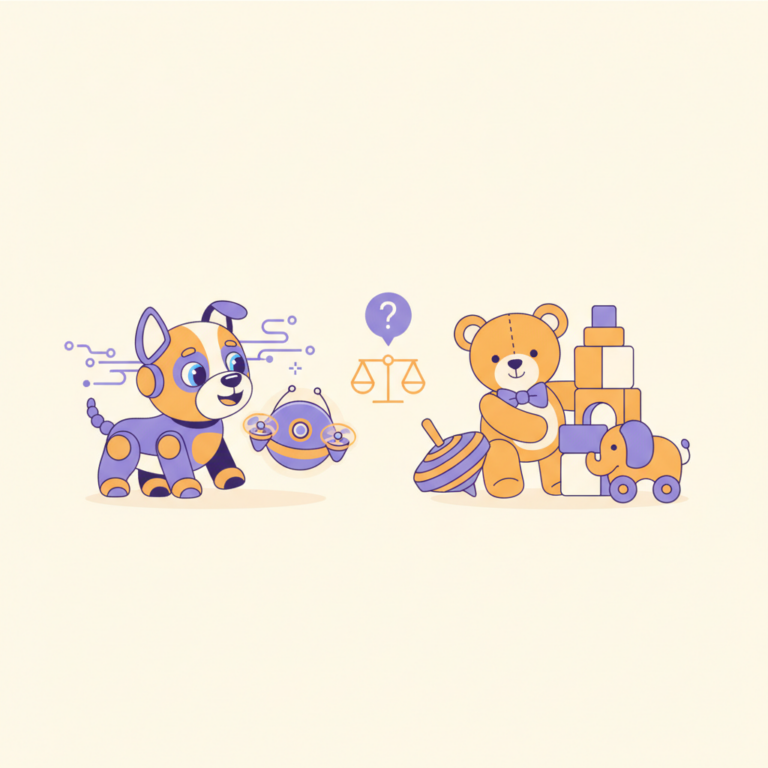
Realism vs. Playability: Balancing Lifelike Features with Fun
When shopping for interactive electronic pets, one of the key decisions you’ll face is choosing between realism and playability. Realistic features can make an electronic pet more engaging and educational, but they also come with trade-offs in terms of complexity and cost. On the other hand, playability focuses on fun and ease of use, often at the expense of lifelike behavior.
Realistic Features: Some interactive pets mimic real animals with incredible detail. They may have realistic fur, respond to touch with lifelike movements, and even exhibit behaviors like purring, barking, or following you around. These features can be fascinating for kids who are interested in animals and want to learn more about pet care. However, highly realistic pets can be more expensive and may require more maintenance. They also tend to have more complex programming, which can be a double-edged sword: while it adds to the realism, it can also make the pet less predictable and more challenging to operate.
Playability: At the other end of the spectrum, some interactive pets are designed primarily for fun. These toys might have exaggerated features, bright colors, and playful behaviors that are more about entertainment than realism. They often come with simple controls and are easy for kids to operate, making them ideal for younger children. The focus here is on interactive play, with features like games, music, and simple voice commands. While these toys may not teach kids much about real pet care, they can be great for imaginative play and keeping kids engaged.
Finding the Balance: The best choice depends on your child’s age, interests, and what you hope to achieve with the toy. If your child is fascinated by animals and you want to encourage empathy and responsibility, a more realistic pet might be the way to go. If you’re looking for a toy that will provide hours of fun and keep your child entertained, a playability-focused pet could be a better fit. Many toys strike a balance, offering a mix of realistic behaviors and playful features to keep kids engaged.
Age Appropriateness and Safety: Small Parts, Batteries, and Durability
When selecting an interactive electronic pet, it’s crucial to consider the age of the child who will be playing with it. Age grading is not just about the complexity of the toy but also about safety. Here are some key factors to keep in mind:
Age Grading: Most interactive electronic pets are labeled with an age range. For toddlers and preschoolers, look for toys with simple controls and large, easy-to-operate buttons. These toys often focus on basic interactions like touch and sound. For older children, you can consider more complex toys with advanced features like voice recognition and app connectivity.
Small Parts and Choking Hazards: Always check for small parts that could be a choking hazard, especially for younger children. Many electronic pets come with detachable accessories or small components that can be swallowed. If you’re buying for a child under three, make sure the toy is designed with safety in mind and avoid any toys with small parts.
Batteries and Electrical Safety: Electronic toys require batteries, and it’s important to ensure that the battery compartment is secure and inaccessible to young children. Look for toys with screw-secured battery doors to prevent accidental access. Additionally, check for any exposed wires or electrical components that could pose a risk.
Durability: Kids can be rough on their toys, so durability is a key consideration. Look for toys made from sturdy materials that can withstand drops and bumps. Reading reviews can be helpful here, as they often provide insights into the longevity of the toy.
Additional Safety Tips: Always supervise young children when they are playing with electronic toys, especially if they contain small parts or require batteries. Regularly inspect the toy for any signs of wear and tear that could compromise safety.
Caring for Your Interactive Electronic Pet: Maintenance and Troubleshooting Tips
To ensure your interactive electronic pet remains in good working order, it’s important to follow some basic maintenance and troubleshooting guidelines. Here are some tips to help you keep your toy in top condition:
Regular Cleaning: Dust and dirt can accumulate on the toy’s surface, especially if it has fur or fabric components. Use a damp cloth to gently wipe the surface and remove any debris. For toys with removable parts, check the manufacturer’s instructions for cleaning recommendations.
Battery Care: Replace batteries as needed to ensure the toy continues to function properly. Avoid leaving dead batteries in the toy, as they can leak and cause damage. When replacing batteries, always use the correct type and size as specified by the manufacturer.
Storing the Toy: When not in use, store the toy in a dry, cool place. Avoid exposing it to extreme temperatures or direct sunlight, as this can damage the electronics and materials. If the toy has a power switch, turn it off before storing to conserve battery life.
Troubleshooting Common Issues: If your interactive pet stops working or behaves erratically, try the following steps:
- Check the Batteries: Make sure the batteries are properly installed and have enough charge.
- Inspect for Damage: Look for any visible signs of wear or damage, such as loose parts or frayed wires.
- Reset the Toy: Some toys have a reset button or require a specific sequence of actions to reboot the system.
- Consult the Manual: Refer to the user manual for troubleshooting tips and contact the manufacturer if necessary.
Software Updates: If your toy has app connectivity, check for any available software updates. These updates can fix bugs and add new features, enhancing the toy’s performance.
Frequently Asked Questions About Interactive Electronic Pets for Kids
1. How long do the batteries last? Battery life varies depending on the toy and how often it is used. Some toys have rechargeable batteries, while others require regular replacements. Check the product specifications for more information.
2. Can interactive pets be used by children with special needs? Many interactive pets are designed to be accessible to children with a range of abilities. Look for toys with simple controls and adjustable settings to accommodate different needs.
3. Are interactive electronic pets safe for young children? As long as you choose a toy that is age-appropriate and follow basic safety guidelines, interactive electronic pets can be safe for young children. Always supervise young children during play and check for any small parts or potential hazards.
4. Can interactive pets help teach responsibility? Yes, interactive pets can be a great way to teach children about responsibility and pet care. Look for toys that mimic real pet behaviors and require regular interaction to reinforce these lessons.
5. How do I clean an interactive pet? Cleaning methods vary depending on the toy. For toys with fur or fabric components, use a damp cloth to wipe the surface. For electronic components, refer to the manufacturer’s instructions for cleaning recommendations.
Choosing the Right Interactive Electronic Pet for You
When selecting an interactive electronic pet, consider the following factors to ensure you make the best choice for your child:
1. Age and Developmental Stage: Choose a toy that is appropriate for your child’s age and developmental stage. Younger children will benefit from toys with simple controls and basic interactions, while older children can handle more complex toys with advanced features.
2. Interests and Preferences: Consider your child’s interests and preferences. If they love animals, a realistic pet might be a good fit. If they enjoy music and games, a playability-focused toy could be more engaging.
3. Safety: Always prioritize safety. Look for toys with secure battery compartments, no small parts, and durable construction. Check for any potential hazards and supervise young children during play.
4. Durability: Consider the durability of the toy. Kids can be rough on their toys, so look for ones that are built to withstand wear and tear.
5. Budget: Set a budget and look for toys that offer the best value for money. While more expensive toys often have more advanced features, there are plenty of affordable options that provide great interactive experiences.
By considering these factors, you can find an interactive electronic pet that will provide your child with hours of fun and engagement while also teaching them valuable lessons about responsibility and empathy.
Key takeaways
- Assess the child's age and motor skills
- Evaluate safety features, especially for small parts
- Compare touch, sound, and voice interaction levels
- Consider battery life and charging options
- Set realistic expectations about pet behavior
Frequently asked questions
How do I choose the right interactive electronic pet for my child?
Consider the child's age, interests, and motor skills. Look for age-appropriate features and safety certifications.
What are the different levels of interaction available?
Interaction levels range from basic touch response to voice recognition and complex sound interactions.
Are robotic dogs/cats more realistic than animatronic pets?
Robotic pets often have more advanced movement and interaction capabilities, while animatronic pets may focus on lifelike appearance.
Should I choose a rechargeable or battery-powered pet?
Rechargeable pets are more cost-effective long-term, but battery-powered options offer more portability and may be cheaper initially.
How important is realism when choosing an interactive pet?
Realism can enhance the play experience, but it's more important to match the pet's features with the child's interests and age.
What safety features should I look for?
Ensure there are no small parts that could be choking hazards and that the toy meets relevant safety standards.
How durable are interactive electronic pets?
Durability varies by model; look for sturdy construction and check customer reviews for longevity feedback.
What cost should I expect for a quality interactive pet?
Prices range from $20 for basic models to $100+ for advanced robotic pets with multiple interactive features.
How do I set appropriate expectations for my child?
Explain that while interactive pets can mimic some pet behaviors, they cannot replace the companionship of a real animal.
Are there any maintenance requirements?
Regular cleaning and battery replacement or charging are typical maintenance tasks; some models may require software updates.