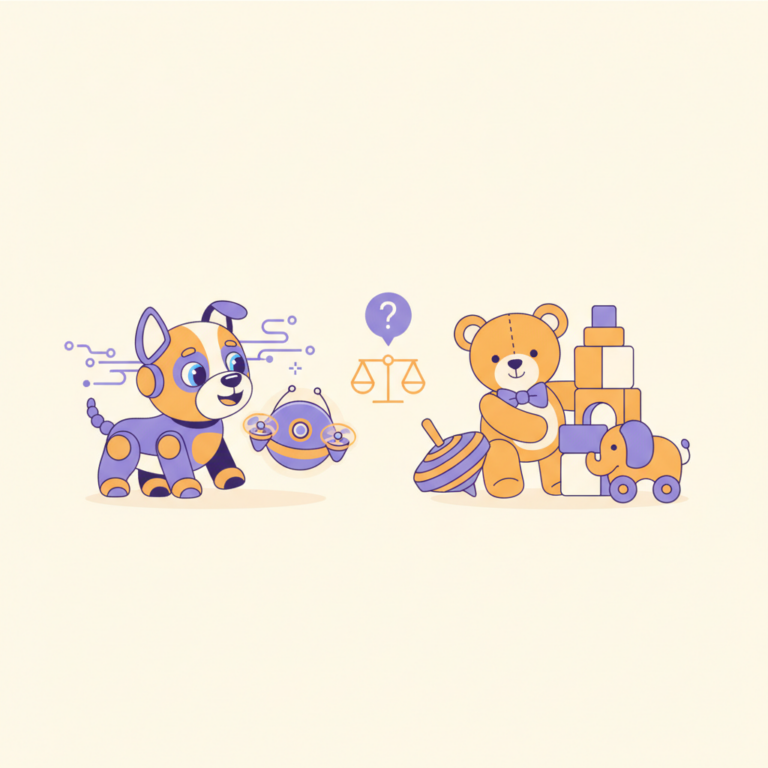
Best Electronic Toys for 4-Year-Olds
Choose electronic toys for 4-year-olds that are age-appropriate, safe, durable, and offer educational value. Look for toys that encourage interactive play and skill development while fitting your budget and lifestyle.
Why Choose Electronic Toys for Your 4-Year-Old’s Development?
As your child turns four, their world expands rapidly. They are becoming more curious, more communicative, and more capable of understanding complex concepts. This is a crucial time for learning and development, and electronic toys can play a significant role in nurturing these growing skills. When chosen thoughtfully, electronic toys for 4-year-olds can offer a blend of education, entertainment, and engagement that traditional toys sometimes can’t match.
Interactive Learning Opportunities
Electronic toys often incorporate interactive elements that can enhance learning. For instance, toys with lights, sounds, and tactile feedback can help children understand cause-and-effect relationships. A toy that responds to a child’s action—whether it’s a button press or a voice command—reinforces the idea that their actions have an impact, boosting their confidence and problem-solving skills.
Moreover, many electronic toys are designed with educational goals in mind. They can introduce children to letters, numbers, shapes, and even basic coding concepts in a fun and engaging way. This kind of early exposure can set the stage for future academic success by making learning an enjoyable experience.
Encouraging Creativity and Imagination
Electronic toys aren’t just about learning numbers and letters. Many of them are designed to spark creativity and imagination. For example, robot toys that can be programmed to perform simple tasks can encourage children to think creatively about how to solve problems or complete tasks. Similarly, musical toys can inspire children to explore their artistic side, experimenting with different sounds and rhythms.
By providing a platform for creative expression, electronic toys can help children develop their own unique interests and talents. This is particularly important at age four, when children are starting to form their own identities and preferences.
Developing Motor Skills
Electronic toys often require children to use their hands in precise ways, whether it’s pressing buttons, moving levers, or manipulating small parts. This can help improve their fine motor skills, which are essential for tasks like writing, drawing, and using utensils. Additionally, toys that involve movement or coordination can help develop gross motor skills, contributing to overall physical development.
Social and Emotional Growth
Some electronic toys are designed to be used with others, encouraging children to play cooperatively. This can help them develop important social skills, such as sharing, taking turns, and communicating effectively. Moreover, toys that feature characters or scenarios can help children explore emotions and learn how to manage them, laying the groundwork for emotional intelligence.
However, it’s important to choose toys that are age-appropriate and safe. At age four, children are still developing their understanding of safety and may not be aware of potential hazards. Therefore, selecting toys with sturdy construction and no small, detachable parts is crucial to ensure safety.
In the next section, we’ll explore the main types of electronic toys available for 4-year-olds, helping you make an informed decision about which ones might be best for your child.
What Are the Main Types of Electronic Toys for 4-Year-Olds?
When it comes to electronic toys for 4-year-olds, the options are diverse and plentiful. These toys can be broadly categorized into several types, each offering unique benefits and experiences. Understanding these categories can help you choose the most suitable toys for your child’s development and interests.
Educational Tablets
Educational tablets are designed to provide interactive learning experiences. They often come preloaded with games, puzzles, and activities that teach letters, numbers, and basic skills. These devices can be a great way to introduce children to technology while keeping them engaged in educational content.
Robotic Toys
Robotic toys are perfect for children who are fascinated by machines and technology. These toys can range from simple, remote-controlled robots to more complex models that can be programmed to perform specific tasks. They encourage children to think logically and creatively, as they learn how to control and interact with the robot.
Musical Instruments
Electronic musical instruments, such as keyboards and drum sets, can introduce children to the world of music. These toys often include pre-recorded songs and rhythms, allowing children to experiment with different sounds and create their own music. This can be a great way to foster a love for music and boost creativity.
Interactive Plush Toys
Interactive plush toys combine the comfort of a traditional stuffed animal with the excitement of electronic features. These toys can sing, talk, or even respond to a child’s touch. They often provide companionship and can help children develop social and emotional skills through imaginative play.
Construction Sets
Electronic construction sets allow children to build and customize their own toys. These sets often include motors, lights, and other electronic components that bring the creations to life. They encourage problem-solving and creativity, as children figure out how to assemble the pieces and make their designs functional.
To help you compare these types, here’s a detailed table:
| Type | Best for | Pros | Watch-outs |
|---|---|---|---|
| Educational Tablets | Children who enjoy screen time and learning apps | Interactive, educational content; easy to use | Screen time management; potential for over-reliance on technology |
| Robotic Toys | Children interested in machines and technology | Encourages logical thinking and creativity; hands-on learning | Requires some understanding of technology; may need adult supervision |
| Musical Instruments | Children with an interest in music and rhythm | Fosters creativity and love for music; interactive | Noise level; may require additional instruments for full experience |
| Interactive Plush Toys | Children who enjoy cuddly companions | Provides comfort and companionship; encourages imaginative play | May not offer as much educational value; limited interactivity |
| Construction Sets | Children who like building and creating | Encourages problem-solving and creativity; hands-on learning | Requires assembly; may include small parts |
In the following sections, we’ll delve deeper into how to select the best electronic learning toys for your child and the key criteria for choosing durable and valuable electronic toys.
How to Select the Best Electronic Learning Toys for Your Child
Choosing the right electronic learning toys for your 4-year-old involves more than just picking the most popular or visually appealing option. It’s about finding toys that align with your child’s developmental stage, interests, and learning needs. Here are some guidelines to help you make an informed decision.
Assess Your Child’s Interests
Every child is unique, and their interests can vary widely. Some children are naturally drawn to music, while others may be more interested in building things or exploring technology. Pay attention to what captivates your child’s attention and look for toys that cater to those interests. For instance, if your child loves music, consider electronic musical instruments or toys that incorporate music into their play.
Focus on Educational Value
While entertainment is important, the primary goal of learning toys is to educate. Look for toys that offer educational content appropriate for your child’s age. For 4-year-olds, this might include toys that teach letters, numbers, shapes, and basic problem-solving skills. Toys that encourage critical thinking and creativity can also be beneficial.
Consider Interactive Features
Interactive toys can enhance the learning experience by providing immediate feedback and engagement. Toys that respond to a child’s actions, such as pressing buttons or solving puzzles, can make learning more dynamic and enjoyable. Additionally, toys that allow for open-ended play can encourage children to explore and discover new things on their own.
Evaluate Durability and Safety
Four-year-olds can be quite active, so it’s important to choose toys that can withstand rough handling. Look for toys made from sturdy materials and avoid those with small, detachable parts that could pose a choking hazard. Also, ensure that the toys are free from harmful chemicals and meet all safety standards.
Balance Screen Time
While electronic toys often involve screens, it’s important to balance screen time with other activities. The American Academy of Pediatrics recommends limiting screen time for young children to no more than one hour per day. Therefore, consider toys that offer a mix of screen-based and hands-on activities to provide a well-rounded play experience.
Look for Age-Appropriate Content
Toys should be age-appropriate to ensure that the content is neither too advanced nor too simplistic for your child. Most toys come with age recommendations, which can serve as a useful guide. However, it’s also important to consider your child’s individual developmental stage and adjust accordingly.
In the next section, we’ll discuss the key criteria for choosing durable and valuable electronic toys, ensuring that your investment pays off in the long run.
Key Criteria for Choosing Durable and Valuable Electronic Toys
Investing in electronic toys for your 4-year-old is not just about immediate gratification; it’s about choosing toys that will last and provide ongoing value. Here are some key criteria to consider when selecting durable and valuable electronic toys.
Build Quality
The durability of a toy is largely determined by its build quality. Look for toys made from high-quality materials that can withstand the wear and tear of regular use. Sturdy construction, robust components, and reinforced joints are all indicators of a well-made toy. Additionally, check for any potential weak points, such as hinges or joints, that might break under pressure.
Safety Features
Safety is paramount when it comes to children’s toys. Ensure that the electronic toys you choose comply with all relevant safety standards. Look for toys with rounded edges, no small detachable parts, and non-toxic materials. Also, check for any warnings or age recommendations to ensure that the toy is suitable for your child.
Educational Content
The educational value of a toy can greatly enhance its long-term value. Look for toys that offer rich, engaging content that aligns with your child’s developmental needs. This might include games, puzzles, or activities that teach letters, numbers, shapes, and problem-solving skills. The more varied and interactive the content, the more likely it is to keep your child engaged and learning.
Battery Life and Power Options
Electronic toys often rely on batteries, so it’s important to consider battery life and power options. Look for toys with long-lasting batteries or, better yet, rechargeable options. This can save you money and reduce waste over time. Also, consider toys that offer a mix of battery and manual operation, allowing for continued play even if the batteries run out.
Age-Appropriate Complexity
Toys that are too advanced for your child may lead to frustration, while those that are too simple may not hold their interest. Consider the complexity of the toy and whether it matches your child’s developmental stage. For 4-year-olds, toys that offer a balance of challenge and accessibility are ideal.
Brand Reputation and Reviews
Research the brand’s reputation and read reviews from other parents to gauge the toy’s performance and reliability. Brands with a strong track record of producing quality toys are often a safer bet. Additionally, reviews can provide insights into any potential issues or limitations of the toy.
Value for Money
While cost is a factor, it’s important to consider the overall value of the toy. A slightly more expensive toy that offers rich educational content and long-lasting durability may provide better value than a cheaper, less durable option. Consider the toy’s lifespan, educational value, and the enjoyment it will bring to your child.
By considering these criteria, you can choose electronic toys that are not only durable but also offer lasting value for your child’s development and enjoyment.
Are There Electronic Toys Suitable for Pets and 4-Year-Olds to Enjoy Together?
Absolutely! Combining the joy of play with the companionship of a pet can create a unique and enriching experience for both your 4-year-old and your furry friend. However, it’s important to choose toys that are safe, engaging, and suitable for both parties. Here are some options to consider.
Interactive Pet Toys with Child-Friendly Features
Interactive pet toys, such as treat-dispensing balls or tug toys, can be great for shared play. These toys often require the child to engage with the pet, promoting interaction and cooperation. For example, a child can help the pet by guiding the toy or encouraging the pet to play.
When selecting these toys, ensure they are designed with safety in mind. Avoid toys with small parts or sharp edges that could pose a risk to either the child or the pet. Also, supervise play to ensure that the pet does not become overly excited or aggressive.
Musical and Light-Up Toys
Musical and light-up toys can capture the attention of both children and pets. These toys often produce sounds and lights that can entertain pets, while also providing a fun and engaging experience for the child. For instance, a toy that plays music or flashes lights can encourage pets to move and play, while the child can join in by dancing or singing along.
However, be mindful of the noise level and ensure that the toy is not too loud or startling for the pet. Also, consider the pet’s reaction to the lights and sounds to ensure they are not overwhelmed or frightened.
Remote-Controlled Toys
Remote-controlled toys can be a fun way for children to engage with pets. These toys can be moved around the room, encouraging pets to chase and play. This can provide exercise and entertainment for the pet, while also teaching the child about cause and effect and hand-eye coordination.
When using remote-controlled toys, ensure that the child understands how to operate the toy safely and that the pet is comfortable with the movement and noise. Also, supervise the interaction to prevent any potential accidents or injuries.
Educational Pet Toys
Some pet toys are designed to be educational for both the pet and the child. For example, puzzle toys that require the pet to solve a problem to get a treat can be a fun challenge for the child to observe and participate in. These toys can also teach the child about the pet’s behavior and how to engage with them in a positive way.
Overall, the key to choosing electronic toys for shared enjoyment between a 4-year-old and a pet is to prioritize safety, engagement, and compatibility. By selecting toys that cater to the interests and needs of both the child and the pet, you can create a fun and rewarding play experience for all involved.
Ensuring Safety: What to Look for in Electronic Toys for 4-Year-Olds
When selecting electronic toys for a 4-year-old, safety should be your top priority. At this age, children are still putting things in their mouths, and their motor skills are developing, so it’s crucial to choose toys that minimize potential hazards. Here are the key safety features to look for:
- Age Grading: Always check the age recommendation on the packaging. Toys labeled for ages 3+ or 4+ are generally suitable, but make sure the toy doesn’t have small parts that could be a choking hazard.
- Small Parts and Choking Hazards: Ensure that the toy does not have small detachable parts. If it does, they should be securely attached and not easily removable.
- Button Batteries: Many electronic toys use button batteries, which can be extremely dangerous if swallowed. Look for toys with battery compartments that are secured with screws or require a tool to open.
- Material Quality: Opt for toys made from non-toxic materials. Phthalate-free and BPA-free plastics are safer choices for young children.
- Sharp Edges and Points: Run your fingers over the toy to check for any sharp edges or points that could injure your child.
- Electrical Safety: Ensure that the toy meets all relevant electrical safety standards. Look for certification marks such as UL (Underwriters Laboratories) or CE (Conformité Européenne).
- Durability: Choose toys that are well-constructed and can withstand rough play. Inspect the seams and joints to ensure they are sturdy.
Additionally, always supervise your child during their first interactions with a new toy to ensure they use it safely. If the toy has cords or strings, make sure they are not long enough to pose a strangulation risk.
How to Care for and Maintain Your Child’s Electronic Toys
Proper care and maintenance can extend the life of your child’s electronic toys and ensure they remain safe and functional. Here are some tips:
- Regular Cleaning: Wipe down the toy with a damp cloth and mild soap. Avoid submerging electronic components in water. For toys with fabric parts, check if they are machine washable.
- Battery Maintenance: Remove batteries when the toy is not in use for extended periods to prevent corrosion. Replace batteries as soon as they run out to avoid leakage.
- Storage: Store toys in a dry, cool place away from direct sunlight. Avoid stacking heavy items on top of electronic toys to prevent damage.
- Inspect for Damage: Regularly check for any signs of wear and tear, such as loose parts or frayed cords. If you notice any damage, repair or discard the toy as needed.
- Follow Manufacturer Instructions: Always adhere to the care and maintenance guidelines provided by the manufacturer.
By taking these steps, you can help ensure that your child’s electronic toys remain in good condition and provide them with hours of safe entertainment.
Troubleshooting Common Issues with Kids’ Electronic Toys
Even with the best care, electronic toys can sometimes experience issues. Here are some common problems and how to address them:
| Issue | Possible Cause | Solution |
|---|---|---|
| Toy not turning on | Battery problem | Check if batteries are installed correctly and replace if necessary |
| Sound or lights not working | Faulty connection | Inspect for loose parts or damaged components and repair if possible |
| Intermittent operation | Dirty contacts | Clean battery contacts with a dry cloth |
| Toy overheating | Overuse or defective battery | Allow toy to cool down and replace battery if needed |
| Physical damage | Accidental drop or rough play | Assess the extent of the damage and repair or discard the toy |
If the issue persists after troubleshooting, consult the manufacturer’s customer service for further assistance.
Frequently Asked Questions About Electronic Toys for 4-Year-Olds
1. Are electronic toys good for 4-year-olds?
Yes, electronic toys can be beneficial for 4-year-olds as they can aid in cognitive development, improve motor skills, and provide educational value. However, it’s important to choose age-appropriate toys and ensure they are used under supervision.
2. How long should a 4-year-old play with electronic toys?
There is no set time limit, but it’s advisable to balance electronic play with other activities such as outdoor play, reading, and creative play. Monitor your child’s screen time and ensure it doesn’t interfere with sleep or other important activities.
3. Can electronic toys replace traditional toys?
Electronic toys can complement traditional toys but should not replace them entirely. A mix of both can provide a well-rounded play experience that supports various aspects of a child’s development.
4. Are there any electronic toys that are educational?
Yes, many electronic toys are designed to be educational. Look for toys that focus on skills such as counting, reading, problem-solving, and critical thinking. Examples include interactive books, learning tablets, and coding toys.
Choosing the Right Electronic Toy for Your 4-Year-Old: Practical Decision Guidance
When selecting an electronic toy for your 4-year-old, consider the following factors:
- Educational Value: Look for toys that offer learning opportunities. Consider what skills you want your child to develop, such as language, math, or problem-solving.
- Interactivity: Choose toys that encourage active participation rather than passive observation. Interactive toys can engage your child and promote hands-on learning.
- Durability: Opt for toys that can withstand rough play. Check for sturdy construction and quality materials.
- Age Appropriateness: Ensure the toy is suitable for your child’s age and developmental stage. Avoid toys that are too advanced or too simple.
- Safety: Prioritize toys that meet safety standards and have secure battery compartments. Avoid toys with small parts or sharp edges.
- Child’s Interests: Consider your child’s preferences and hobbies. A toy that aligns with their interests is more likely to capture their attention and provide enjoyment.
By taking these factors into account, you can choose an electronic toy that is both safe and engaging for your 4-year-old, providing them with a fun and educational play experience.
Key takeaways
- Prioritize safety with non-toxic materials and no small parts.
- Select toys that promote learning and skill development.
- Ensure the toy is age-appropriate and matches the child's interests.
- Check for durability and ease of use for both child and parent.
- Consider battery life and charging requirements.
Frequently asked questions
How do I choose the right electronic toy for a 4-year-old?
Focus on age-appropriateness, educational value, and safety. Look for toys that encourage interactive play and match the child's interests.
Are there specific types of electronic toys best for learning?
Yes, toys that promote problem-solving, creativity, and basic math or language skills are ideal for learning.
How important is durability for electronic toys for 4-year-olds?
Durability is crucial as children this age can be rough with toys. Look for sturdy construction and reliable materials.
What safety features should I look for?
Ensure the toy has no small parts, is made from non-toxic materials, and has secure battery compartments.
How long do batteries typically last in electronic toys for 4-year-olds?
Battery life varies, but most toys for this age group last several hours to a few days on a single set of batteries.
Can electronic toys be used by pets and children together?
It's generally not recommended as pets may damage the toy or pose a safety risk to the child.
What is a reasonable price range for electronic toys for 4-year-olds?
Prices vary, but most quality electronic toys for this age range from $20 to $60.
How often should electronic toys be replaced?
Replace toys when they become damaged, outdated, or when the child outgrows their educational value.
Are there any electronic toys that grow with the child?
Some toys offer adjustable difficulty levels or additional features that allow them to be used for multiple years.
What are the benefits of rechargeable vs. disposable batteries?
Rechargeable batteries are more cost-effective and environmentally friendly, while disposable batteries are more convenient for travel.