Best AI Robot Pets: Lifelike Companions Compared
Choose an AI robot pet based on your budget, desired interactivity level, and the age of the user. Consider if you want a simple toy or a more advanced AI companion with emotional response features.
What Are AI Robot Pets and Why Consider One?
AI robot pets are interactive toys that mimic the behavior and companionship of real pets through advanced technology. Unlike traditional stuffed animals or simple electronic toys, these sophisticated companions use artificial intelligence to respond to touch, voice, and even facial expressions. The primary keyword, ai robot pet, encompasses a wide range of products, from basic interactive toys to highly advanced devices that offer a lifelike pet experience. If you’re considering an AI robot pet, it’s essential to understand what they are, how they work, and what they can offer to different age groups and users.
The Appeal of AI Robot Pets
AI robot pets offer several unique benefits that make them appealing to a broad audience:
- Companionship: For individuals who cannot have real pets due to allergies, living situations, or other constraints, AI robot pets provide a sense of companionship without the need for feeding, grooming, or veterinary care.
- Educational Value: Many AI robot pets are designed to teach children about responsibility, empathy, and basic pet care. They can also help with learning new skills, such as programming or understanding technology.
- Interactive Play: These toys offer interactive play experiences that can keep children and even adults engaged for hours. The AI allows for dynamic interactions that evolve over time, making each play session unique.
- Emotional Support: Some AI robot pets are designed to provide emotional support, responding to the user’s mood and offering comfort or entertainment as needed.
Emotional-Response Claims vs. Reality
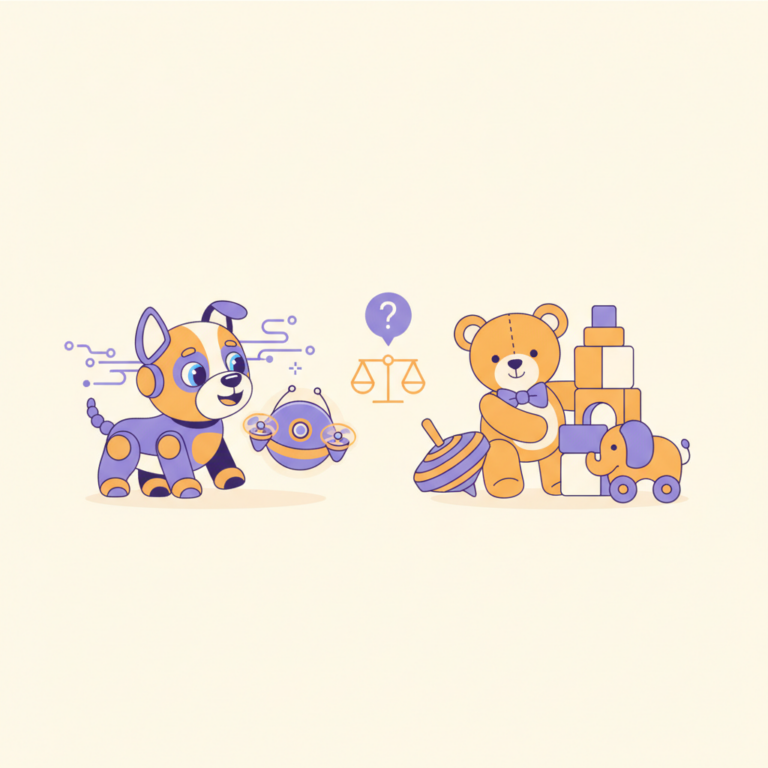
When considering an AI robot pet, it’s important to be realistic about the emotional connection they can provide. While some advanced models can simulate a range of emotions and responses, they are not a substitute for the genuine bond one might form with a real pet. The emotional-response claims made by manufacturers should be taken with a grain of salt. These toys can offer comfort and entertainment, but they are not capable of the same depth of interaction as a living creature.
That said, for individuals who are looking for a low-maintenance companion or a fun interactive experience, AI robot pets can be a great option. They can provide a sense of companionship and joy, especially for children and older adults who may not be able to care for a real pet.
Age/User Fit and Price Tiers
AI robot pets come in various forms and price ranges, making them suitable for different age groups and budgets. Here’s a breakdown of the types of AI robot pets and their ideal users:
| Type | Best for | Pros | Watch-outs |
|---|---|---|---|
| Budget Interactive Toys | Young children and beginners | Affordable, simple to use, durable | Limited interactivity, shorter lifespan |
| Mid-Range AI Pets | Older children and tech-savvy users | More interactive, diverse features, longer play value | More expensive, may require setup |
| Advanced AI Companions | Tech enthusiasts, older teens, and adults | Highly interactive, realistic responses, emotional engagement | Most expensive, complex setup, potential privacy concerns |
When choosing an AI robot pet, consider the age and interests of the user, as well as your budget. For younger children, a simple, durable toy may be the best choice, while older users might appreciate the more advanced features and interactivity of a high-end model. Always check the age recommendations and safety warnings before making a purchase.
Emotional Connection: Real Benefits vs. Marketing Hype
AI robot pets are often marketed as companions that can provide emotional support and form bonds with their owners. But how much of this is genuine, and how much is just marketing hype? The reality is that AI robot pets can indeed offer meaningful emotional connections, but the extent of these connections depends on several factors, including the sophistication of the AI, the design of the pet, and the user’s expectations and interactions.
Real Benefits: One of the most significant benefits of AI robot pets is their ability to provide companionship, especially for individuals who may not be able to care for a real pet. For example, elderly individuals or those with allergies can enjoy the companionship of a robot pet without the responsibilities of feeding, walking, or cleaning up after a live animal. These robot pets can also be programmed to respond to touch, voice, and even facial expressions, which can create a sense of interaction and engagement that mimics a real pet.
For children, AI robot pets can be educational tools that teach responsibility, empathy, and basic pet care skills. They can also provide comfort and reduce anxiety, particularly in stressful situations. The interactive nature of these pets can help children develop social skills and improve their emotional intelligence.
Marketing Hype: On the other hand, it’s important to be aware of the potential for overblown claims. While AI robot pets can offer companionship, they are not a substitute for human interaction or professional mental health support. Some manufacturers may exaggerate the emotional capabilities of their products, leading consumers to expect more than the technology can currently deliver.
It’s also worth noting that the emotional connection you feel with an AI robot pet may not be the same as the bond you form with a real animal. The interactions can feel scripted or repetitive over time, and the lack of genuine unpredictability that comes with a living creature might diminish the depth of the relationship.
In summary, while AI robot pets can offer genuine emotional benefits, it’s crucial to approach these claims with a balanced perspective. They can be wonderful companions and educational tools, but they are not a replacement for the complexity and depth of a relationship with a real pet or human.
Choosing the Right AI Robot Pet: Key Criteria to Consider
When selecting an AI robot pet, it’s important to consider several key criteria to ensure you choose a product that meets your needs and expectations. Here are some factors to keep in mind:
- Age Appropriateness: AI robot pets come in various forms, from simple toys for young children to more sophisticated companions for older kids and adults. Make sure to choose a pet that is age-appropriate and safe for the intended user.
- Interactivity: Consider the level of interactivity you desire. Some AI robot pets offer basic responses to touch and sound, while others can recognize voices, respond to commands, and even learn from interactions over time. Think about what kind of interaction will be most satisfying for you or your child.
- Customization: Some AI robot pets allow for customization, such as changing the pet’s appearance or behavior. This can add a personal touch and make the pet feel more like a unique companion.
- Battery Life and Charging: Pay attention to the battery life and charging requirements. Some pets need frequent recharging, while others have longer-lasting batteries. Consider how often you are willing to recharge the pet and whether it can be left plugged in when not in use.
- Durability: Depending on the age of the user, durability can be a crucial factor. Look for pets made from sturdy materials that can withstand rough handling, especially if the pet is intended for younger children.
- Price: AI robot pets range in price from budget-friendly options to high-end models. Set a budget and look for a pet that offers the best features within your price range.
- Reviews and Recommendations: Read reviews and seek recommendations from other users to get an idea of the pet’s performance and reliability. This can provide valuable insights into the pet’s strengths and potential drawbacks.
By considering these criteria, you can choose an AI robot pet that offers the right balance of features, interactivity, and value for your specific needs.
AI Robot Pets for Different Age Groups: Which One Fits Your Needs?
AI robot pets are designed to cater to a wide range of age groups, each with unique needs and preferences. Here’s a breakdown of the types of AI robot pets suitable for different age groups:
Young Children (Ages 3-7)
For young children, AI robot pets should be simple, safe, and easy to interact with. These pets often have basic features, such as responding to touch, sound, and simple commands. They are typically made from durable materials and have no small parts that could pose a choking hazard. Examples include robotic puppies or kittens that react to being petted or spoken to.
Older Children (Ages 8-12)
Older children may seek more interactive and engaging AI robot pets. These pets can include features like voice recognition, learning capabilities, and more complex interactions. They might also offer educational content or games that can help with learning and development. For instance, a robot pet that teaches coding or problem-solving skills can be particularly appealing to this age group.
Teens and Adults (Ages 13+)
For teens and adults, AI robot pets can offer more sophisticated features and a higher level of interactivity. These pets might include advanced AI that allows for deeper emotional connections, such as recognizing facial expressions, learning preferences, and adapting to the owner’s personality. They can also serve as companions for individuals who cannot have real pets due to allergies, living situations, or other constraints. High-end models may include features like app connectivity, customizable personalities, and even virtual reality integration.
By understanding the needs and interests of different age groups, you can select an AI robot pet that provides the most enjoyable and beneficial experience for the user.
Safety First: Ensuring a Secure Experience with AI Robot Pets
When it comes to AI robot pets, safety should be your top priority, especially if you’re buying for children or vulnerable individuals. While these interactive companions are designed to provide fun and companionship, it’s crucial to be aware of potential hazards and take steps to mitigate them.
Age Grading and Small Parts
Always check the manufacturer’s age recommendations. These are not just suggestions; they are based on safety standards and the developmental abilities of children at different ages. For instance, toys designed for younger children are typically made without small parts that could pose a choking hazard. However, some AI robot pets may have detachable components or accessories, so it’s important to supervise young children during play.
Button Batteries and Electrical Safety
Many AI robot pets are powered by button batteries or rechargeable units. These batteries can be extremely dangerous if swallowed, so ensure that the battery compartment is securely fastened and inaccessible to children. Look for toys that have child-resistant closures. Additionally, check for any exposed wires or malfunctioning electrical components, and avoid using damaged toys.
Supervision and Interaction
While AI robot pets are designed to be interactive, they are not a substitute for human supervision, especially for young children. Always monitor your child’s interaction with the toy to ensure they are using it safely and appropriately. This is particularly important for pets that have moving parts or respond to touch, as they could potentially cause injury if misused.
Pet Safety
If you have pets at home, consider how they might react to an AI robot pet. Some animals may be frightened by the sounds or movements of the toy, while others might try to chew on it. Ensure that the AI robot pet is kept out of reach when not in use, and supervise interactions between your pets and the toy.
Quick-Reference Safety Checklist
| Safety Feature | What to Look For |
|---|---|
| Age Appropriateness | Check age grading and ensure the toy is suitable for the child’s age. |
| Small Parts | Ensure there are no small parts that could be swallowed. |
| Battery Safety | Look for secure, child-resistant battery compartments. |
| Electrical Safety | Check for exposed wires or damaged components. |
| Supervision | Always supervise young children during play. |
Caring for Your AI Robot Pet: Maintenance and Troubleshooting Tips
Proper maintenance is key to ensuring your AI robot pet remains in good working condition and provides a long-lasting, enjoyable experience. Here are some tips to help you care for your robotic companion:
Regular Cleaning
Just like a real pet, your AI robot pet will need regular cleaning. Use a soft, damp cloth to wipe down the exterior, and avoid using harsh chemicals that could damage the surface. Pay special attention to areas that come into contact with hands or surfaces, as these can accumulate dirt and grime.
Battery Care
For battery-powered AI robot pets, it’s important to follow the manufacturer’s guidelines for battery replacement. Use the recommended type and size of batteries, and replace them as needed. If your pet is rechargeable, make sure to charge it according to the instructions to avoid overcharging or damaging the battery.
Software Updates
Some AI robot pets can be updated via a computer or mobile device. These updates often include bug fixes, new features, and improvements to the pet’s behavior. Check the manufacturer’s website or app for any available updates, and follow the instructions to ensure your pet is running the latest software.
Troubleshooting Common Issues
If your AI robot pet is not functioning as expected, try the following troubleshooting steps:
- Check the battery: Ensure the battery is properly installed and charged.
- Restart the toy: Turn it off and on again to reset the system.
- Update the software: Make sure the pet’s software is up to date.
- Consult the manual: Refer to the user manual for specific troubleshooting tips.
- Contact customer support: If all else fails, reach out to the manufacturer’s customer support for assistance.
AI Robot Pets FAQs: Common Questions and Honest Answers
1. Are AI robot pets suitable for all ages?
AI robot pets come in a variety of models designed for different age groups. Some are suitable for young children, while others are more appropriate for older children and adults. Always check the age recommendations before making a purchase.
2. Can AI robot pets replace real pets?
While AI robot pets can provide companionship and entertainment, they are not a substitute for real pets. They do not require the same level of care or responsibility, and they cannot replicate the emotional connection of a living animal.
3. How long do AI robot pets last?
The lifespan of an AI robot pet depends on the model and how well it is maintained. Some may last for several years with proper care, while others may have a shorter lifespan. Regular maintenance and software updates can help extend the life of your pet.
4. Are AI robot pets safe for children?
Most AI robot pets are designed with safety in mind, but it’s important to supervise young children during play. Check for small parts, secure battery compartments, and follow the manufacturer’s guidelines for safe use.
5. Can AI robot pets be repaired?
Some issues can be resolved with troubleshooting and maintenance, but if your AI robot pet is severely damaged or malfunctioning, it may need to be repaired or replaced. Contact the manufacturer for repair options and warranty information.
Key Takeaways: Making the Right Choice for Your AI Robot Pet
When choosing an AI robot pet, consider the following factors:
- Age Appropriateness: Ensure the toy is suitable for the intended age group.
- Features: Decide which features are most important to you, such as interactivity, mobility, and educational value.
- Safety: Look for secure battery compartments, durable construction, and age-appropriate design.
- Maintenance: Consider the ease of cleaning and battery replacement, and check for available software updates.
- Budget: Set a realistic budget and look for a toy that offers the best value for your money.
By taking these factors into account, you can choose an AI robot pet that provides a safe, enjoyable, and enriching experience for you and your family.
Key takeaways
- AI robot pets range from basic interactive toys to advanced AI companions.
- Consider the user's age and what they will enjoy most.
- Emotional response features vary; some are more realistic than others.
- Budget options offer basic interactivity, while pricier models have advanced AI.
- Battery life and charging methods vary by model.
Frequently asked questions
What should I consider when choosing an AI robot pet?
Consider your budget, the age of the user, desired interactivity level, and whether you want basic or advanced AI features.
Are AI robot pets suitable for all ages?
Some AI robot pets are designed for children, while others are more suitable for adults or older users. Check the recommended age range.
How realistic are the emotional response features?
Emotional response features vary; some are basic, while others use advanced AI to provide more realistic interactions.
What is the average price range for AI robot pets?
Prices range from $20 for basic toys to $300 or more for advanced AI companions.
How long do the batteries last, and how are they charged?
Battery life varies by model, from a few hours to several days. Charging is typically done via USB or a charging dock.
Are AI robot pets durable?
Durability varies; some are designed for rough play, while others are more fragile. Check product reviews for durability feedback.
Can AI robot pets be updated or upgraded?
Some models offer software updates or additional features via app, but this varies by manufacturer.
What safety features do AI robot pets have?
Safety features may include non-toxic materials, no small parts for children, and secure battery compartments.
How do AI robot pets compare to real pets?
AI robot pets offer companionship without the responsibility of a real pet, but they lack the emotional connection and unpredictability of a living animal.
What are the maintenance requirements for AI robot pets?
Maintenance is typically minimal, but may include cleaning, software updates, and battery replacement.