Best Robot Cat Toys for Kids
Choose a robot cat toy based on your child's age, safety features, durability, and your budget. Consider interactive features and whether it fits your pet if applicable.
Why Choose Robot Cat Toys for Kids? The Benefits of Interactive Play
In recent years, the world of children’s toys has seen a remarkable evolution, with robot cat toys emerging as a popular choice for many families. These interactive toys combine the charm of a pet cat with the educational and entertainment benefits of modern technology. But why should you consider a robot cat toy for your child? Let’s delve into the myriad benefits of interactive play and how these toys can be a valuable addition to your child’s playtime.
Promoting Interactive Play
Interactive play is crucial for a child’s development, and robot cat toys are designed to engage children in dynamic ways. Unlike traditional stuffed animals, these toys respond to touch, sound, and even movement, encouraging children to interact and explore. This interaction helps develop a child’s social and emotional skills, as they learn to communicate with their robotic pet and respond to its behaviors.
For instance, many robot cat toys can mimic the behaviors of a real cat, such as purring, meowing, and even moving their tails or ears. This can provide a sense of companionship and comfort to children, especially those who may not be able to have a real pet due to allergies or living situations.
Educational Opportunities
Robot cat toys often come equipped with features that offer educational benefits. Some models can teach children about responsibility and pet care by simulating feeding, grooming, and playtime activities. Others incorporate learning games, quizzes, or even coding activities that can help improve a child’s cognitive skills and problem-solving abilities.
For example, certain robot cats can be programmed to perform specific actions or respond to voice commands, providing a basic introduction to programming and robotics. This hands-on experience can spark a child’s interest in STEM (Science, Technology, Engineering, and Mathematics) fields from an early age.
Emotional and Social Development
Interacting with a robot cat can also aid in a child’s emotional and social development. These toys can help children learn about empathy and nurturing as they care for their robotic pet. The responsive nature of these toys can also help children develop their communication skills, as they learn to interact with the toy in a way that elicits a response.
Additionally, robot cat toys can be particularly beneficial for children with autism or other social-emotional challenges. The predictable and repetitive behaviors of these toys can provide a sense of security and consistency, while the interactive features can help children practice social interactions in a safe and controlled environment.
Comparison of Benefits
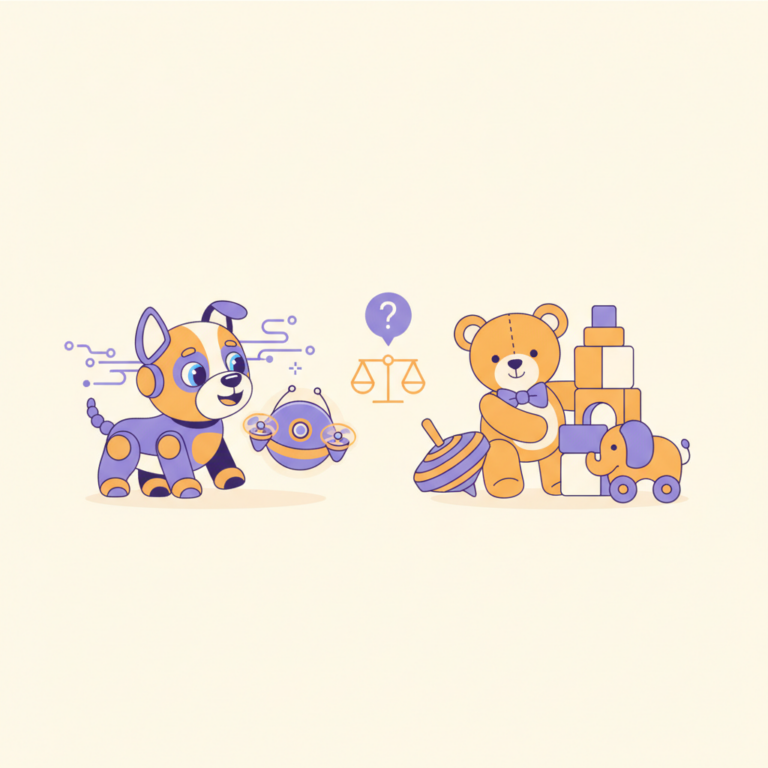
To better understand the benefits of robot cat toys, let’s compare them with traditional stuffed animals and real pets:
| Type | Best for | Pros | Watch-outs |
|---|---|---|---|
| Robot Cat Toy | Children who want a pet-like experience without the commitment | Interactive, educational, low maintenance, safe for allergies | Battery life, potential for technical issues |
| Traditional Stuffed Animal | Children who prefer a simple, cuddly companion | Soft, comforting, no batteries required, inexpensive | Limited interaction, no educational features |
| Real Pet | Families willing to commit to the responsibilities of pet ownership | Authentic companionship, teaches responsibility, emotional bonding | High maintenance, allergies, potential for behavioral issues |
As shown in the table, robot cat toys offer a unique blend of the benefits of both traditional stuffed animals and real pets, making them a versatile choice for many families.
In the next section, we’ll explore the main types of robot cat toys available for children, helping you to better understand the options and choose the best fit for your child.
Which Robot Cat Toy is Best for Your Child’s Age and Developmental Stage?
Selecting the right robot cat toy for your child involves considering their age and developmental stage. Toys that are too advanced can frustrate younger children, while those that are too simple may not hold the attention of older kids. Here’s a breakdown of what to look for at different ages:
Toddlers (Ages 1-3)
For toddlers, safety is paramount. Look for robot cat toys that have large, rounded parts and are free of small pieces that could be swallowed. These toys should be simple and focus on sensory exploration. Features like soft fur, bright colors, and sounds can stimulate a toddler’s senses. Interactive features should be straightforward, such as a toy that meows or moves in response to a simple touch or tap. At this age, children are learning about cause and effect, so toys that respond to their actions in a predictable way are ideal.
- Key Features: Large parts, soft materials, simple sounds, and movements.
- Safety Notes: Ensure there are no small parts and the toy is durable enough to withstand rough play.
Preschoolers (Ages 4-5)
Preschoolers are beginning to engage in more imaginative play and enjoy toys that can be incorporated into their pretend worlds. Robot cat toys for this age group can include more interactive features, such as responding to voice commands or following simple instructions. These toys can help develop language skills and teach children about following directions. Look for toys that offer a variety of activities, such as singing songs, telling stories, or playing games. At this age, children are also developing fine motor skills, so toys with buttons or touch sensors can be beneficial.
- Key Features: Voice recognition, interactive games, and educational content.
- Safety Notes: Ensure the toy is durable and has no small parts that could be a choking hazard.
School-Age Children (Ages 6-9)
School-age children are ready for more complex interactions and enjoy toys that challenge their problem-solving skills. Robot cat toys for this age group can include advanced features such as programming capabilities, app connectivity, and more intricate movements. These toys can help children learn about basic coding concepts and logic. Look for toys that offer customizable features, allowing children to personalize their play experience. At this age, children also enjoy toys that can be used with friends, so consider options that support multiplayer interactions.
- Key Features: Programming options, app connectivity, and customizable settings.
- Safety Notes: Ensure the toy is age-appropriate and has clear instructions for use.
Older Children (Ages 10+)
Older children are often interested in more sophisticated technology and enjoy toys that offer a deeper level of engagement. Robot cat toys for this age group can include features such as advanced AI, augmented reality, and detailed customization options. These toys can serve as a gateway to learning about robotics, engineering, and computer science. Look for toys that offer opportunities for creative expression and can be used for both individual and group activities. At this age, children may also be interested in competitive play, so consider options that support tournaments or challenges.
- Key Features: Advanced AI, augmented reality, and detailed customization.
- Safety Notes: Ensure the toy is age-appropriate and has clear instructions for use.
Robot Cat Toys for Different Pets: Finding the Right Fit for Your Feline Friend
While robot cat toys are primarily designed for children, they can also be used to entertain pets, particularly cats. However, not all robot cat toys are suitable for pets, so it’s important to choose wisely. Here are some considerations for selecting a robot cat toy that will appeal to your feline friend:
Safety First
When choosing a robot cat toy for your pet, safety is the top priority. Look for toys that are specifically designed for pets and have no small parts that could be ingested. The materials should be non-toxic and durable enough to withstand chewing and scratching. Avoid toys with long cords or strings, as these can pose a strangulation risk.
Interactive Features
Cats are naturally curious and enjoy toys that engage their hunting instincts. Look for robot cat toys that mimic the movements of prey, such as twitching tails or erratic movements. Toys that emit sounds or lights can also capture a cat’s attention. Some robot cat toys are designed to respond to a cat’s touch, providing interactive play that can keep your pet entertained for hours.
Durability
Cats can be rough on toys, so durability is key. Look for robot cat toys that are made from sturdy materials and have a robust construction. The toy should be able to withstand the wear and tear of daily play without breaking apart. Some toys are designed with replaceable parts, which can extend their lifespan.
Energy Source
Consider the energy source of the robot cat toy. Some toys are battery-operated, while others are rechargeable. Battery-operated toys may require frequent battery changes, which can be inconvenient. Rechargeable toys are more convenient but may have a shorter playtime per charge. Choose a toy that fits your lifestyle and your cat’s play habits.
Supervision
Even with the safest robot cat toys, it’s important to supervise your pet during play. This ensures that the toy is used appropriately and that your cat doesn’t accidentally damage the toy or ingest any small parts. Supervision also allows you to intervene if the toy malfunctions or if your cat becomes too aggressive with the toy.
Ensuring Safety: What to Look for in Robot Cat Toys for Kids
When selecting a robot cat toy for a child, safety should be the foremost consideration. Here are some key safety features to look for:
Age Appropriateness
Always check the age grading on the toy packaging. Age-appropriate toys are designed with the developmental stage and abilities of the child in mind. Toys that are too advanced can be frustrating, while those that are too simple may not hold the child’s interest. Age grading also ensures that the toy meets safety standards for that age group.
Small Parts and Choking Hazards
For younger children, avoid toys with small parts that could be swallowed or inhaled. Look for toys that have large, rounded pieces and are free of small detachable parts. If the toy has small parts, ensure they are securely attached and cannot be easily removed.
Button Batteries
Many robot cat toys are powered by button batteries, which can be a serious safety hazard if ingested. Look for toys that have secure battery compartments that cannot be easily opened by a child. If the toy uses button batteries, ensure they are not accessible to the child.
Material Safety
Ensure that the materials used in the toy are non-toxic and free of harmful chemicals. Look for toys that are labeled as being made from safe, durable materials. If the toy has fabric components, ensure they are flame-resistant.
Durability
A durable toy is less likely to break into small pieces that could pose a choking hazard. Look for toys that are well-constructed and made from sturdy materials. If the toy has moving parts, ensure they are securely attached and cannot be easily broken off.
Electrical Safety
Ensure that the toy meets electrical safety standards. Look for toys that have been certified by a reputable testing organization, such as UL or ETL. If the toy has electrical components, ensure they are properly insulated and cannot be easily accessed by the child.
Supervision
Even with the safest toys, it’s important to supervise children during play. This ensures that the toy is used appropriately and that the child doesn’t accidentally damage the toy or ingest any small parts. Supervision also allows you to intervene if the toy malfunctions or if the child becomes too aggressive with the toy.
Durability and Value: How to Choose a Long-Lasting Robot Cat Toy
When investing in a robot cat toy for your child, it’s important to consider both durability and overall value. A toy that lasts longer not only provides more playtime but also offers better value for your money. Here are some key factors to consider when evaluating the durability and value of a robot cat toy:
Material Quality: High-quality materials are essential for a durable toy. Look for robot cat toys made from sturdy plastics and robust electronic components. Avoid toys with thin, flimsy parts that may break easily. Some manufacturers use reinforced materials or impact-resistant designs to enhance durability.
Battery Life and Replacement: A long-lasting battery can significantly extend the toy’s lifespan. Check if the toy uses standard batteries or if it has a built-in rechargeable battery. Rechargeable toys can be more cost-effective in the long run, but ensure that the charging port is well-protected and durable. For toys that use replaceable batteries, consider the availability and cost of replacements.
Repairability: Even the most durable toys may occasionally require repairs. Look for manufacturers that offer replacement parts or repair services. Some companies provide detailed guides or customer support to help you troubleshoot and fix common issues, which can extend the toy’s life.
Age Appropriateness: A toy that grows with your child can offer better value. Consider whether the robot cat toy has adjustable features or additional functionalities that can be unlocked as your child grows. This adaptability can make the toy more engaging over a longer period.
Brand Reputation: Established brands with a history of producing quality toys often provide better durability and customer support. Research the manufacturer’s reputation and look for reviews that mention the toy’s longevity and the company’s responsiveness to issues.
By considering these factors, you can choose a robot cat toy that not only captivates your child’s interest but also stands the test of time, providing lasting enjoyment and value.
Troubleshooting and Care: Maintaining Your Child’s Robot Cat Toy
Proper care and maintenance can significantly extend the life of your child’s robot cat toy. Here are some tips and guidelines to help you keep the toy in good working condition:
Regular Cleaning: Dust and dirt can accumulate on the toy’s surface and in its crevices, potentially affecting its performance. Use a soft, damp cloth to gently clean the toy, avoiding any electrical components. For toys with removable parts, check the manufacturer’s guidelines for cleaning instructions.
Battery Maintenance: If the toy uses replaceable batteries, ensure they are replaced promptly when they run low. Leaving drained batteries in the toy can cause leakage, which can damage the toy’s internal components. For rechargeable toys, follow the charging instructions carefully to avoid overcharging or damaging the battery.
Storage: When not in use, store the robot cat toy in a safe, dry place. Avoid exposing it to extreme temperatures or direct sunlight, as this can damage the toy’s electronics and materials. A dedicated storage box or shelf can help protect the toy from accidental damage.
Troubleshooting Common Issues: If the toy stops working or behaves erratically, try the following steps:
- Check the Batteries: Ensure the batteries are properly installed and have sufficient charge.
- Inspect for Damage: Look for any visible signs of wear or damage, such as cracks or loose parts.
- Reset the Toy: Some toys have a reset function that can resolve minor software glitches.
- Consult the Manual: Refer to the user manual for specific troubleshooting advice.
If these steps don’t resolve the issue, contact the manufacturer for further assistance.
Software Updates: Some robot cat toys can receive software updates to add new features or fix bugs. Check the manufacturer’s website or contact their customer support to see if updates are available for your toy.
By following these care and maintenance tips, you can help ensure that your child’s robot cat toy remains a source of joy and entertainment for years to come.
Frequently Asked Questions About Robot Cat Toys for Kids: Expert Answers and Tips
Q: Are robot cat toys safe for young children?
A: Safety depends on the toy’s design and age recommendations. Always check the age grading and ensure there are no small parts that could pose a choking hazard. Look for toys that have been tested for safety and comply with relevant regulations.
Q: How long do robot cat toys typically last?
A: The lifespan of a robot cat toy can vary depending on the quality of materials, usage, and care. With proper maintenance, a well-made toy can last several years. However, always check for signs of wear and replace damaged toys promptly.
Q: Can robot cat toys be used by children with disabilities?
A: Some robot cat toys are designed with accessibility in mind, featuring larger buttons, simplified controls, or compatibility with assistive devices. It’s important to review the toy’s features and consult with the manufacturer if you have specific accessibility needs.
Q: How do I clean a robot cat toy?
A: Cleaning methods depend on the toy’s materials and design. For most toys, a soft, damp cloth is sufficient. Avoid using harsh chemicals or submerging the toy in water, as this can damage the electronics. Refer to the user manual for specific cleaning instructions.
Q: Can I repair a broken robot cat toy myself?
A: Some repairs, such as replacing batteries or resetting the toy, can be done at home. However, for more complex issues, it’s best to contact the manufacturer or a professional repair service. Attempting to repair the toy yourself could void the warranty or cause further damage.
Q: What features should I look for in a robot cat toy?
A: Consider features such as interactivity, programmability, and educational value. Look for toys that offer a balance of fun and learning, with adjustable difficulty levels to accommodate your child’s growth and development.
Key Takeaways: Choosing the Right Robot Cat Toy for Your Child
When selecting a robot cat toy for your child, keep the following points in mind:
- Age Appropriateness: Ensure the toy is suitable for your child’s age and developmental stage.
- Durability: Choose a toy made from high-quality materials with a reputation for longevity.
- Safety: Verify that the toy meets safety standards and is free from small parts that could be swallowed.
- Interactivity: Look for toys that offer engaging, interactive features to capture your child’s interest.
- Educational Value: Consider toys that provide learning opportunities, such as coding skills or problem-solving challenges.
- Maintenance: Opt for toys that are easy to clean and maintain, with accessible customer support for troubleshooting and repairs.
By considering these factors, you can choose a robot cat toy that provides a safe, enjoyable, and enriching play experience for your child.
Key takeaways
- Consider your child's age and motor skills.
- Ensure safety features like non-toxic materials and no small parts.
- Look for durable construction and easy maintenance.
- Check for interactive features that engage the child.
- Compare prices for value based on features and quality.
Frequently asked questions
How do I choose the right robot cat toy for my child?
Consider your child's age, interests, and motor skills. Look for toys with interactive features that match their developmental stage.
Are robot cat toys safe for young children?
Safety varies by model. Look for non-toxic materials, secure battery compartments, and no small parts that could be swallowed.
What age range are robot cat toys suitable for?
Most are designed for children aged 3 and up, but some have features for older kids. Check the manufacturer's recommended age range.
How important is durability in a robot cat toy?
Durability is crucial, especially for younger children. Look for sturdy construction and materials that can withstand rough play.
Do robot cat toys require batteries or charging?
Most do require batteries or charging. Check if the toy uses rechargeable batteries or if you need to purchase them separately.
How can I ensure the toy is safe for my pet if I have one?
Ensure the toy has no small parts that could be ingested by pets and is made from pet-safe materials. Supervise interactions between pets and the toy.
What should I expect in terms of cost for a quality robot cat toy?
Prices vary widely. Expect to pay more for toys with advanced features and better durability. Look for sales or discounts to get better value.
How long do robot cat toys typically last?
Lifespan depends on usage and quality. With proper care, a well-made toy should last several years, but always check for wear and tear.