Best Robot Puppy Toys for Kids
Choose robot puppy toys by considering movement, sound features, age appropriateness, safety certifications, durability, and price range. Look for toys that mimic real puppy behavior and are made from non-toxic materials.
Why Choose a Robot Puppy Toy for Your Child?
In recent years, the world of interactive toys has exploded with options that entertain, educate, and engage children in new and exciting ways. Among these, the robot puppy toy stands out as a particularly charming and dynamic choice. These toys combine the appeal of a cuddly pet with the advanced technology of robotics, offering children an interactive experience that mimics the joy of having a real pet without the associated responsibilities. If you’re considering a robot puppy toy for your child, here are some compelling reasons why it might be the perfect choice.
The Joy of Pet Ownership Without the Hassle
Many children dream of having a pet, but not all families are ready for the commitment that comes with a real animal. A robot puppy toy offers a delightful alternative. These toys can walk, bark, and respond to touch and voice commands, providing a similar interactive experience to that of a real puppy. This can be particularly appealing for families living in apartments or those with allergies, as it eliminates the need for walks, vet visits, and the worry of pet hair.
Educational Benefits
Beyond the fun and companionship, robot puppy toys can offer significant educational benefits. Many of these toys are designed to teach children about responsibility and empathy as they interact with their robotic pet. Some models come with features that encourage children to learn about basic programming and robotics, fostering an interest in STEM (Science, Technology, Engineering, and Mathematics) fields from an early age. The interactive nature of these toys can also help improve a child’s social and emotional skills as they engage with their pet.
Entertainment and Engagement
Robot puppy toys are designed to capture a child’s imagination and provide hours of entertainment. With their lifelike movements and responses, these toys can keep children engaged and entertained for extended periods. Many models come with additional features such as games, voice recognition, and even the ability to learn and adapt to a child’s behavior, making each interaction unique and exciting.
Comparison with Traditional Toys
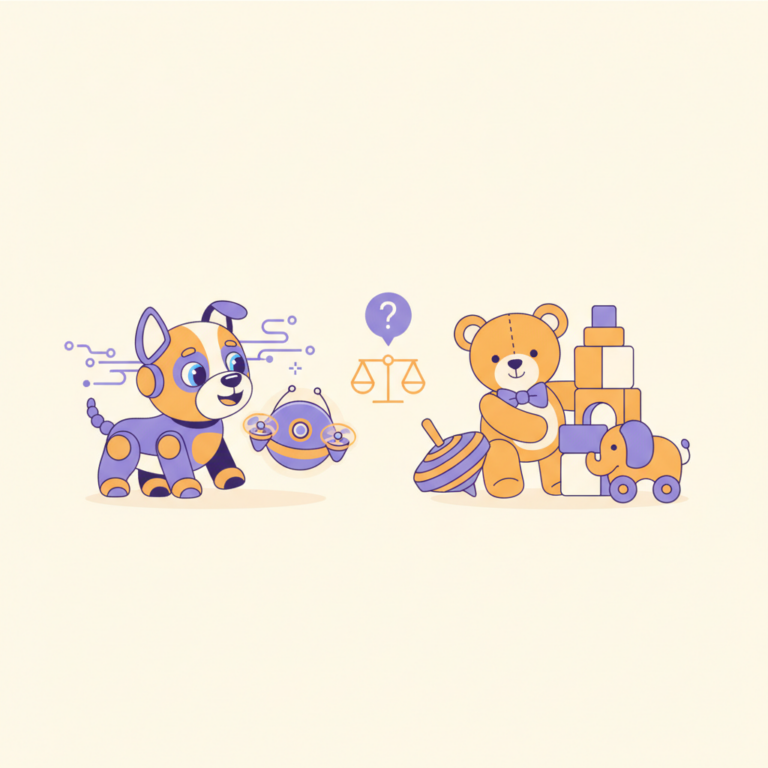
When compared to traditional stuffed animals or simple electronic toys, robot puppy toys offer a more dynamic and interactive experience. While a traditional stuffed animal may provide comfort and companionship, a robot puppy toy adds an element of interactivity that can stimulate a child’s curiosity and creativity. This comparison can be summarized in the following table:
| Type | Best for | Pros | Watch-outs |
|---|---|---|---|
| Traditional Stuffed Animal | Younger children seeking comfort | Soft, cuddly, low maintenance | Limited interactivity, less engaging |
| Simple Electronic Toy | Children who enjoy basic electronic features | Some interactive elements, easy to use | Limited functionality, can become boring quickly |
| Robot Puppy Toy | Children who want a more interactive and engaging experience | Highly interactive, educational, entertaining | May require batteries, more expensive |
In conclusion, a robot puppy toy can be a wonderful addition to your child’s toy collection, offering a unique blend of fun, education, and interactive play. As you consider this option, think about your child’s interests and needs, and how a robot puppy toy might fit into their playtime routine.
Key Features to Look for in a Robot Puppy Toy
When shopping for a robot puppy toy, it’s important to focus on features that will provide the best play experience for your child. Here are some key aspects to consider:
1. Interactive Capabilities: The essence of a robot puppy toy lies in its ability to interact with your child. Look for features like voice recognition, touch response, and the ability to follow simple commands. Some advanced models can even respond to different tones of voice or specific keywords, making the interaction more engaging and dynamic.
2. Movement and Mobility: A robot puppy should be able to move around in some way. This could be as simple as rolling on wheels or as complex as walking on four legs. Pay attention to how the toy moves and whether it can navigate around obstacles. Some toys have sensors that help them avoid bumping into things, while others can be controlled remotely to move in specific directions.
3. Sound and Visual Effects: Many robot puppies come with built-in sound effects, such as barking, whimpering, or even singing. These can add to the realism and fun of the toy. Additionally, some models have LED eyes or other visual elements that light up or change color, enhancing the interactive experience.
4. Programmability: For older children or those interested in technology, a programmable robot puppy can be a great choice. These toys allow kids to create their own sequences of actions and behaviors, teaching basic coding and problem-solving skills. Look for toys that offer an easy-to-use interface, whether it’s through a smartphone app or a simple remote control.
5. Durability and Build Quality: Since robot puppy toys are often handled frequently and can be subject to rough play, it’s important to choose one that is well-built and can withstand regular use. Check for sturdy materials and a design that can handle drops and bumps without breaking. Reading reviews from other parents can be helpful in assessing the durability of a particular model.
6. Battery Life and Charging: Consider how long the toy can operate on a single charge and whether it comes with a rechargeable battery or requires disposable ones. Rechargeable models are generally more cost-effective and environmentally friendly in the long run, but they may have a higher upfront cost.
7. Age Appropriateness: Ensure that the robot puppy toy is suitable for your child’s age. Some models are designed for younger children and focus on simple interactions and safety, while others are more complex and intended for older kids who can handle more advanced features.
By focusing on these key features, you can choose a robot puppy toy that will provide hours of entertainment and engagement for your child, while also fitting their developmental stage and interests.
Which Robot Puppy Toy is Best for Your Child’s Age and Interests?
Choosing the right robot puppy toy for your child involves considering their age, interests, and developmental stage. Here’s a guide to help you select the most appropriate toy:
1. Toddlers (Ages 2-4): For this age group, simplicity and safety are paramount. Look for robot puppy toys that are easy to operate, with large buttons and straightforward interactions. Features like basic sound effects, simple movements, and colorful lights can capture their attention without overwhelming them. Toys with soft, durable materials are ideal, as toddlers tend to be rough with their playthings. Avoid toys with small parts or complex controls that could pose a choking hazard or be difficult for them to use.
2. Preschoolers (Ages 4-6): At this stage, children are more curious and capable of handling slightly more complex toys. Consider robot puppies that offer a variety of sounds, movements, and simple games. Toys that respond to touch or voice commands can be particularly engaging for this age group. Look for models that encourage imaginative play and can be used in different scenarios, such as pretend play or interactive games.
3. Young Children (Ages 6-8): As children grow, they become more interested in toys that offer a bit more challenge and interactivity. Robot puppies with programmable features, remote control capabilities, and more sophisticated interactions can be appealing. These toys can help develop problem-solving skills and teach basic concepts of coding and logic. Look for models that offer a balance between fun and educational value.
4. Older Children (Ages 8+): For older kids, consider robot puppy toys that offer advanced features like app connectivity, voice recognition, and more intricate programming options. These toys can provide a rich learning experience, teaching children about robotics, electronics, and coding. Look for models that offer expansion packs or additional features that can grow with your child’s interests and skills.
5. Interests and Hobbies: Consider your child’s specific interests when choosing a robot puppy toy. If they love animals, a realistic-looking robot puppy might be the best choice. If they are interested in technology and gadgets, a more advanced, feature-rich model might be more appropriate. Some robot puppies come with themed accessories or interactive elements that can enhance the play experience based on your child’s hobbies.
By aligning the features of the robot puppy toy with your child’s age and interests, you can ensure that the toy will be both enjoyable and beneficial for their development.
Ensuring Safety: What to Consider When Buying a Robot Puppy Toy
When selecting a robot puppy toy, safety should be a top priority. Here are some important factors to consider to ensure the toy is safe for your child:
1. Age Grading: Always check the age grading on the toy’s packaging. This is a crucial indicator of whether the toy is suitable for your child’s age and developmental stage. Age grading takes into account factors like the complexity of the toy, the presence of small parts, and the level of supervision required. For example, toys with small parts are not recommended for children under three years old due to the risk of choking.
2. Small Parts and Choking Hazards: Inspect the toy for any small parts that could pose a choking hazard. This includes detachable components, buttons, or accessories. If the toy has small parts, ensure that they are securely attached and cannot be easily removed by a child. For younger children, consider opting for a toy with fewer small parts or one that is designed to be safe for their age group.
3. Battery Safety: Many robot puppy toys are powered by batteries, which can pose a safety risk if not handled properly. Look for toys with battery compartments that are secured with screws or other child-resistant mechanisms. This prevents children from accessing the batteries and potentially swallowing them. If the toy uses rechargeable batteries, ensure that the charging system is safe and that the toy cannot be overcharged.
4. Cord and Cable Safety: Some robot toys come with cords or cables for charging or remote control. Ensure that these cords are not long enough to pose a strangulation risk. If the toy has a cord, it should be short and out of reach of children. Additionally, check that the cord is made of a durable material that will not fray or break easily.
5. Material Safety: Consider the materials used in the construction of the toy. Look for non-toxic materials and avoid toys that contain harmful chemicals like phthalates or lead. If the toy has a strong odor, it may be an indication that it contains volatile organic compounds (VOCs), which can be harmful. Opt for toys made from high-quality, durable materials that are safe for children.
6. Supervision: While robot puppy toys are generally safe, it’s important to supervise young children during play. This is especially true for toys with small parts or complex features. Supervision ensures that children use the toy safely and that any potential issues can be addressed immediately.
By carefully considering these safety factors, you can choose a robot puppy toy that provides a fun and secure play experience for your child.
How to Maintain and Care for Your Robot Puppy Toy
Proper maintenance and care are essential to ensure your robot puppy toy remains in good working condition and provides long-lasting enjoyment for your child. Here are some practical tips to help you maintain your robot puppy:
Regular Cleaning: Just like a real pet, a robot puppy can accumulate dust and dirt. Use a soft, damp cloth to gently wipe the exterior of the toy. Avoid using harsh chemicals or submerging the toy in water, as this can damage the electronics. For toys with removable fur or fabric components, check the manufacturer’s instructions for specific cleaning recommendations.
Battery Maintenance: If your robot puppy uses rechargeable batteries, make sure to charge them according to the manufacturer’s guidelines. Overcharging or undercharging can affect battery life. For toys that use disposable batteries, always replace them with the recommended type and size. Remember to remove batteries if the toy will not be used for an extended period to prevent leakage and damage.
Storage: When not in use, store your robot puppy in a safe, dry place. Avoid exposing it to extreme temperatures or direct sunlight, as this can damage the plastic and electronic components. If the toy comes with a storage box or bag, use it to protect the puppy from dust and potential damage.
Inspect for Wear and Tear: Regularly check the toy for any signs of wear and tear, such as loose parts or frayed wires. If you notice any damage, discontinue use and consult the manufacturer’s guidelines for repair or replacement options. This is particularly important for toys with small parts that could pose a choking hazard if they become detached.
Troubleshooting Common Issues with Robot Puppy Toys
Even with the best care, you may encounter some common issues with your robot puppy toy. Here are some troubleshooting tips to help you resolve these problems:
- No Power or Response: If the toy does not turn on or respond, first check the battery compartment. Ensure the batteries are properly installed and have sufficient charge. If the problem persists, try replacing the batteries with new ones.
- Intermittent Functionality: If the toy works sometimes but not others, there may be a loose connection. Check for any visible damage or loose parts. If the toy has a reset button, try resetting it according to the manufacturer’s instructions.
- Unusual Noises or Movements: If the puppy makes strange noises or moves erratically, it may be due to a software glitch. Try turning the toy off and on again. If the issue continues, consult the user manual for further guidance or contact the manufacturer for support.
- Difficulty Charging: If the toy has a rechargeable battery and is not charging properly, ensure the charging cable is securely connected and the power source is working. Check for any damage to the cable or charging port.
If none of these solutions work, it may be time to contact the manufacturer for further assistance or consider replacing the toy.
Frequently Asked Questions About Robot Puppy Toys for Kids
How long do robot puppy toys last? The lifespan of a robot puppy toy can vary depending on the quality of the toy and how well it is maintained. On average, you can expect a well-cared-for toy to last several years.
Are robot puppy toys safe for young children? Most robot puppy toys are designed with safety in mind, but it is important to check the age recommendations and safety warnings. Always supervise young children during play to prevent accidents.
Can robot puppy toys be repaired? Some issues can be fixed with simple troubleshooting, but for more complex problems, you may need to contact the manufacturer or a professional repair service.
How do I clean a robot puppy toy? Use a soft, damp cloth to clean the exterior. Avoid using harsh chemicals or submerging the toy in water. Refer to the manufacturer’s instructions for specific cleaning recommendations.
How to Choose the Right Robot Puppy Toy: Key Takeaways
When choosing a robot puppy toy, consider the following key factors:
| Factor | Considerations |
|---|---|
| Age Appropriateness | Ensure the toy is suitable for your child’s age and developmental stage. Check age recommendations and safety warnings. |
| Features and Functionality | Decide which features are most important, such as interactive abilities, educational content, or lifelike movements. |
| Durability | Look for a toy that is well-built and can withstand rough play. Check customer reviews for insights into the toy’s durability. |
| Maintenance | Consider the ease of maintenance, including cleaning and battery replacement. Some toys may require more upkeep than others. |
| Price | Set a budget and look for a toy that offers the best value for money. Remember that more expensive does not always mean better. |
By considering these factors, you can choose a robot puppy toy that will provide your child with hours of fun and engagement while ensuring safety and durability.
Key takeaways
- Consider movement and sound features like walking and barking
- Ensure age appropriateness and pet compatibility
- Check for safety certifications and non-toxic materials
- Evaluate durability and battery life
- Compare prices for value
Frequently asked questions
How do I choose a robot puppy toy?
Choose based on movement, sound features, age appropriateness, safety, and durability. Consider if it mimics realistic puppy behavior.
What age range are robot puppy toys suitable for?
Most robot puppy toys are suitable for children aged 3-10 years, but always check the manufacturer's recommended age.
Are robot puppy toys safe for pets?
Some robot puppy toys are designed to interact with pets, but always check the product description and safety guidelines.
How long do the batteries last in robot puppy toys?
Battery life varies, but most robot puppy toys last several hours on a single charge. Some models offer rechargeable batteries.
What safety features should I look for?
Look for safety certifications, non-toxic materials, and rounded edges. Ensure there are no small parts that could be a choking hazard.
How durable are robot puppy toys?
Durability varies by model, but most are designed to withstand gentle play. Check product reviews for feedback on durability.
What is the average price range for robot puppy toys?
Prices typically range from $20 to $100, depending on features, brand, and quality. More expensive models often have advanced features.
Can robot puppy toys be used for educational purposes?
Yes, many robot puppy toys are designed to be educational, helping children learn about responsibility and basic programming concepts.
How do I clean a robot puppy toy?
Follow the manufacturer's cleaning instructions. Generally, wipe with a damp cloth and avoid submerging in water.
What features should I look for in a high-quality robot puppy toy?
Look for realistic movement, interactive features, durability, and safety certifications. Advanced models may include app control and learning modes.