Best Interactive Cat Toys for Indoor Cats
Choose interactive cat toys that mimic hunting behavior, rotate them regularly, and ensure they are safe and engaging for solo or owner-play. Consider puzzle feeders for mental stimulation and prioritize safety with strings and lasers.
Why Do Indoor Cats Need Interactive Toys?
Indoor cats lead very different lives compared to their outdoor counterparts. While outdoor cats can engage in natural behaviors like hunting, climbing, and exploring, indoor cats are often limited to the confines of our homes. This lack of stimulation can lead to boredom, stress, and even behavioral problems. That’s where interactive toys for indoor cats come in. These toys are designed to mimic the experiences and activities that outdoor cats naturally engage in, providing essential mental and physical enrichment.
Cats are natural hunters, and their instincts drive them to stalk, pounce, and capture prey. Without the opportunity to hunt, indoor cats can become lethargic and overweight. Interactive toys that encourage movement and mimic hunting behaviors can help keep your cat active and fit. Additionally, these toys can provide much-needed mental stimulation, which is crucial for preventing boredom and the associated behavioral issues such as excessive meowing, scratching, or even aggression.
Interactive toys also offer a way for you to bond with your cat. Whether it’s through playing with a feather wand or watching your cat solve a puzzle feeder, these toys can strengthen the human-animal bond and provide you with a fun and engaging way to interact with your pet.
What Are the Different Types of Interactive Cat Toys?
Interactive cat toys come in various forms, each designed to cater to different aspects of a cat’s natural behavior. Understanding the types of toys available can help you choose the best options for your feline friend. Here are some common categories:
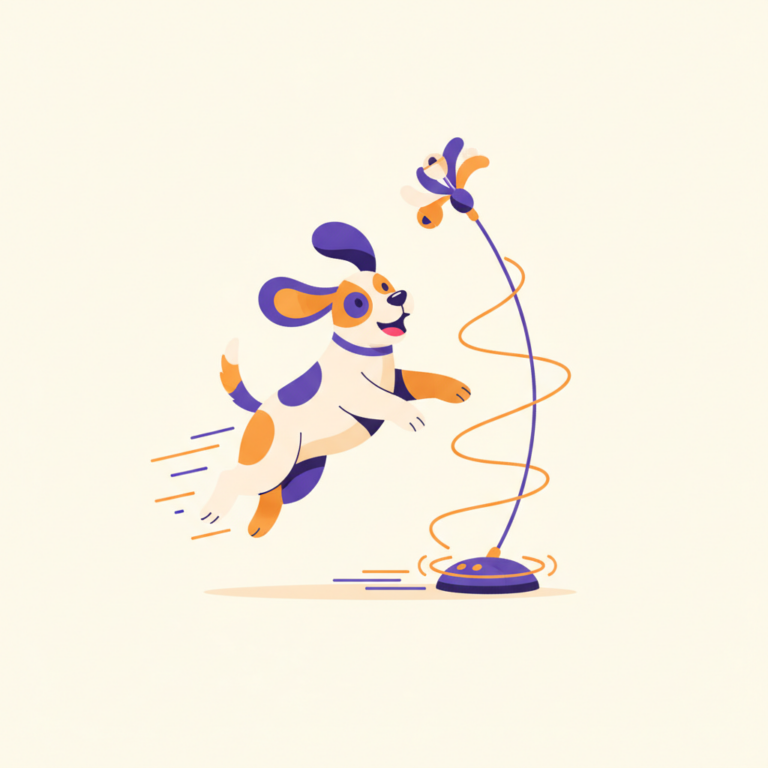
- Feather Wands and Teasers: These toys mimic the movement of prey, encouraging cats to stalk and pounce. They are great for interactive play between you and your cat, providing both physical exercise and mental stimulation.
- Laser Pointers: Laser toys can provide a lot of excitement and exercise, as cats love to chase the elusive red dot. However, it’s important to note that they should be used with caution to avoid eye damage and to ensure your cat gets a chance to “catch” something tangible at the end of the play session.
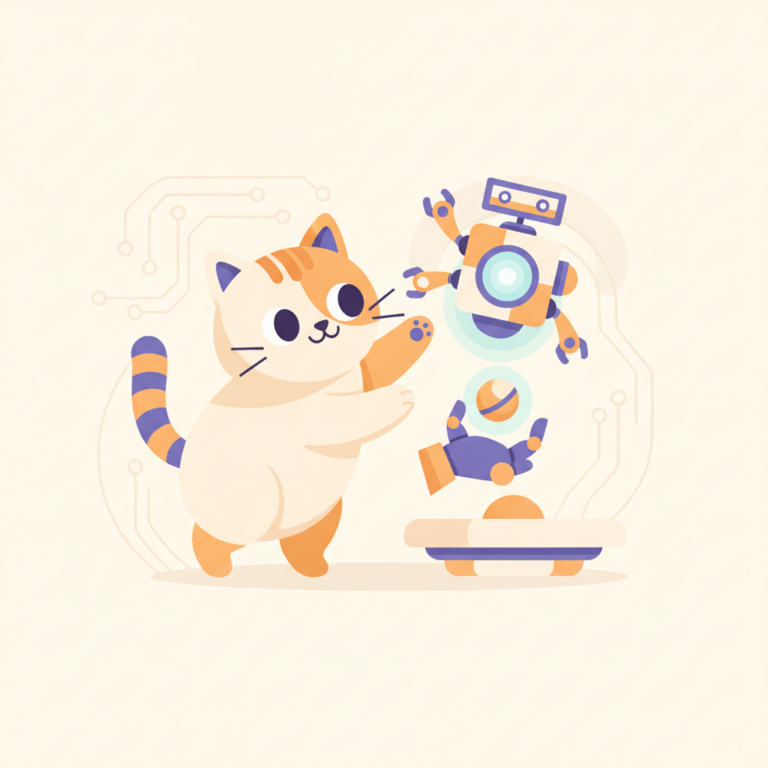
- Automatic Toys: These toys operate on their own, often with erratic movements that mimic the behavior of prey. They are ideal for solo play and can keep your cat entertained even when you’re not around.
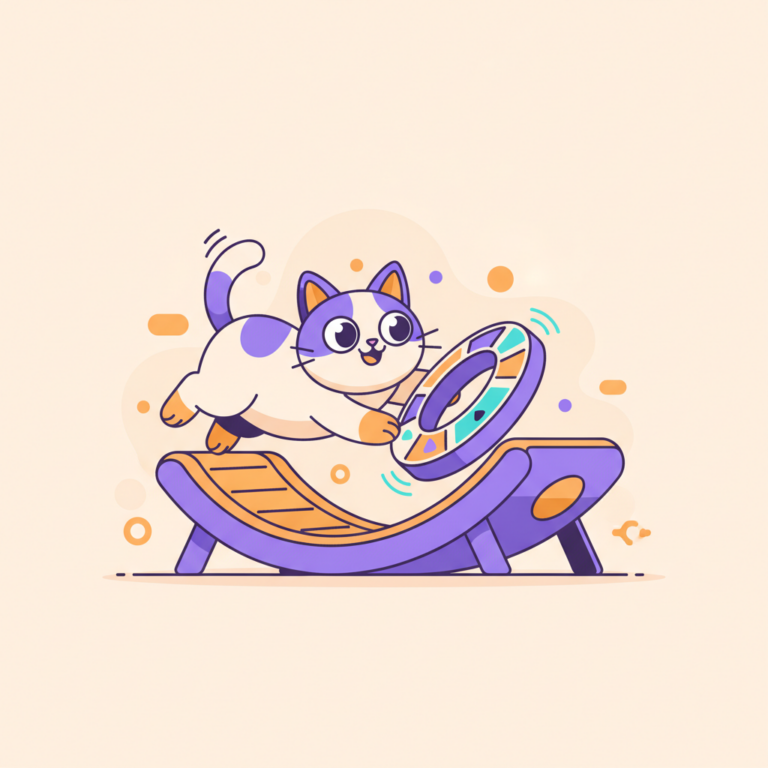
- Puzzle Feeders: These toys combine play with mealtime, requiring cats to work for their food. They are excellent for mental stimulation and can help slow down eating, which is beneficial for digestion.
- Catnip Toys: Infused with catnip, these toys can provide a lot of excitement and entertainment. Not all cats respond to catnip, but those that do often find these toys irresistible.
Here’s a comparison table to help you understand the key features and benefits of different types of interactive toys:
| Type of Toy | Best For | Benefits | Considerations |
|---|---|---|---|
| Feather Wands and Teasers | Interactive play with owner | Promotes exercise, mimics hunting | Requires owner participation |
| Laser Pointers | Chasing and exercise | Provides high energy play | Risk of eye damage, no tangible “catch” |
| Automatic Toys | Solo play | Entertains when owner is away | May require supervision |
| Puzzle Feeders | Mental stimulation | Combines play with mealtime | May need adjustment for different foods |
| Catnip Toys | Exciting play | Provides natural high | Not all cats respond to catnip |
How to Choose the Best Interactive Toys for Your Indoor Cat
When selecting interactive toys for your indoor cat, consider the following factors to ensure you choose the most suitable and enriching options:
- Cat’s Age and Activity Level: Younger cats and kittens typically have higher energy levels and may benefit from more vigorous play. Older cats might prefer quieter, less intense activities.
- Safety: Always check for small parts or detachable pieces that could pose a choking hazard. For laser toys, ensure the beam is not too strong and avoid pointing it directly into your cat’s eyes.
- Durability: Choose toys that can withstand your cat’s play style. Some cats are more aggressive chewers or scratchers, so opt for durable materials that won’t break easily.
- Variety: Just like humans, cats can get bored with the same toys over time. Rotate toys regularly to keep your cat interested and engaged.
- Interactive vs. Solo Play: Consider whether you want toys that require your participation or ones that can be used independently. A mix of both can provide a balanced play routine.
By taking these factors into account, you can select toys that not only entertain your cat but also contribute to their overall well-being.
Interactive Toys for Bored Cats: Keeping Your Feline Mentally and Physically Active
Boredom in indoor cats can lead to a host of problems, including obesity, anxiety, and destructive behaviors. To keep your cat mentally and physically active, it’s important to provide a variety of interactive toys that cater to different aspects of their natural behavior.
Incorporate toys that encourage physical activity, such as feather wands, laser pointers, and automatic toys. These can help your cat burn off energy and maintain a healthy weight. Additionally, consider puzzle feeders and treat-dispensing toys that challenge your cat’s problem-solving skills. These toys can keep your cat engaged for extended periods and provide a sense of accomplishment when they successfully retrieve a treat.
It’s also beneficial to create an enriching environment with climbing structures, scratching posts, and window perches. These elements can complement interactive toys by providing additional stimulation and opportunities for exploration.
Remember to spend quality time playing with your cat each day. This not only helps with bonding but also ensures that your cat gets the attention and interaction they need to stay happy and healthy.
Solo Play vs. Owner-Play: Which Interactive Toys Are Right for Your Cat?
When selecting interactive toys for your indoor cat, it’s important to consider whether your cat will be playing alone or with you. Both scenarios offer unique benefits and require different types of toys to keep your feline friend engaged and entertained.
Solo Play Toys
Solo play toys are designed for independent play, which is crucial for cats that spend long periods alone. These toys often incorporate elements like automated movement, treat dispensing, or self-righting features to keep your cat entertained without human intervention.
- Automated Toys: These toys often feature moving parts or erratic movements that mimic prey, stimulating your cat’s hunting instincts. Examples include robotic mice or bug-like toys that dart around the floor.
- Treat Dispensers: These toys challenge your cat to work for their food, providing mental stimulation and extending feeding time. Look for models with adjustable difficulty levels to keep your cat challenged.
- Self-Righting Toys: These toys are designed to stay upright, preventing your cat from getting frustrated and giving up. They often feature a weighted base and are great for cats that enjoy batting and pouncing.
Owner-Play Toys
Owner-play toys are perfect for bonding with your cat and providing interactive play sessions. These toys often require direct human involvement and can include wands, laser pointers, and other toys that you control.
- Wand Toys: These toys feature a long handle with a string and lure at the end, allowing you to mimic prey movements. They are excellent for interactive play sessions and can help your cat burn off energy.
- Laser Pointers: Laser pointers provide a moving light that cats love to chase. However, it’s important to always end the play session with a tangible toy to prevent your cat from becoming frustrated.
- Feather Toys: These toys often have feathers attached to a string or wand, appealing to your cat’s natural instinct to hunt birds. They are great for interactive play and can be used to encourage jumping and pouncing.
When choosing between solo and owner-play toys, consider your cat’s personality and your own availability. Some cats may prefer the independence of solo play, while others thrive on the interaction provided by owner-play toys. Providing a mix of both can ensure your cat remains mentally and physically stimulated.
Safety First: Tips for Using Interactive Cat Toys with Strings and Lasers
While interactive toys can provide endless entertainment for your cat, it’s crucial to prioritize safety, especially when using toys with strings and lasers. Here are some important safety tips to keep in mind:
String and Cord Safety
Toys with strings, cords, or ribbons can be dangerous if not used properly. Cats can easily become entangled or ingest these items, leading to serious health issues. Follow these guidelines to ensure safe play:
- Supervision: Always supervise your cat when playing with string or corded toys. This ensures you can intervene if your cat becomes tangled or tries to ingest the string.
- Storage: After playtime, store string toys out of your cat’s reach. This prevents accidental ingestion or entanglement when you’re not around.
- Check for Damage: Regularly inspect string toys for fraying or loose parts. Discard any damaged toys to prevent potential hazards.
Laser Pointer Safety
Laser pointers can be a fun way to engage your cat, but they require careful use to avoid causing stress or harm. Keep these tips in mind:
- Avoid Direct Eye Contact: Never shine the laser directly into your cat’s eyes. This can cause serious eye damage. Always aim the laser at the floor or walls.
- Provide a Conclusion: Always end the laser play session with a tangible toy or treat. This gives your cat a sense of accomplishment and prevents frustration from never “catching” the light.
- Limit Use: Use laser pointers in moderation. Overuse can lead to stress or anxiety, as cats may become obsessed with chasing the light.
By following these safety tips, you can ensure that your cat enjoys interactive playtime without any risks.
Maintaining and Rotating Interactive Toys: Ensuring Long-lasting Enrichment
To keep your indoor cat engaged and prevent boredom, it’s important to maintain and rotate their interactive toys regularly. This not only extends the life of the toys but also keeps your cat’s interest piqued.
Regular Cleaning
Interactive toys, especially those that dispense treats or have moving parts, can accumulate dirt and bacteria over time. Follow these cleaning guidelines:
- Wipe Down Surfaces: Use a damp cloth to wipe down the surfaces of the toys, removing any visible dirt or grime.
- Disassemble and Clean: For toys with removable parts, disassemble them and clean each component thoroughly. Use mild soap and water, ensuring all soap residue is rinsed away.
- Check for Damage: While cleaning, inspect the toys for any signs of wear or damage. Replace any broken or worn-out components to maintain safety.
Rotating Toys
Rotating toys is a simple yet effective way to keep your cat engaged. Here are some tips for effective toy rotation:
- Create a Schedule: Set a schedule for rotating toys, such as weekly or bi-weekly. This ensures your cat doesn’t get bored with the same toys.
- Mix Solo and Owner-Play Toys: Alternate between solo and owner-play toys to provide variety and maintain your cat’s interest.
- Introduce New Toys Gradually: When introducing new toys, do so gradually and observe your cat’s reaction. This helps prevent overwhelming them and allows you to gauge their interest.
Storage
Proper storage is essential for maintaining the quality of interactive toys. Store them in a dry, cool place away from direct sunlight. This prevents damage and prolongs the life of the toys.
By maintaining and rotating interactive toys, you can ensure that your cat remains entertained and mentally stimulated, leading to a happier and healthier feline friend.
Frequently Asked Questions About Interactive Cat Toys for Indoor Cats
1. How do I know which interactive toys are best for my cat?
Consider your cat’s personality and preferences. If your cat enjoys chasing, wand toys or laser pointers may be ideal. For cats that like to pounce and bat, feather toys or automated moving toys could be more suitable. Observe your cat’s behavior to determine which toys they respond to best.
2. Are laser pointers safe for cats?
Yes, laser pointers are generally safe if used correctly. Always avoid shining the laser directly into your cat’s eyes and end the play session with a tangible toy to prevent frustration.
3. How often should I rotate my cat’s toys?
Rotating toys every week or two is a good practice. This keeps your cat’s interest and prevents boredom. However, monitor your cat’s behavior and adjust the rotation frequency as needed.
4. Can interactive toys replace human interaction?
While interactive toys can provide mental and physical stimulation, they should not replace human interaction. Regular play sessions with your cat are important for bonding and ensuring your cat’s social needs are met.
5. What should I do if my cat loses interest in a toy?
If your cat loses interest in a toy, try rotating it out for a new one. You can reintroduce the toy later to see if your cat’s interest has returned. Additionally, try different types of toys to find ones that better capture your cat’s attention.
How to Choose the Right Interactive Cat Toy for You
Choosing the right interactive cat toy involves considering several factors to ensure it meets both your and your cat’s needs. Here are some practical guidelines to help you make an informed decision:
1. Assess Your Cat’s Play Style
Observe how your cat likes to play. Do they prefer chasing, pouncing, or batting? Are they more interested in solo play or interactive play with you? Understanding your cat’s play style will help you select toys that cater to their preferences.
2. Consider Your Availability
Think about how much time you can dedicate to playing with your cat. If you’re often away, solo play toys that provide independent stimulation are essential. If you have more time, owner-play toys can strengthen your bond and provide interactive fun.
3. Evaluate Safety Features
Ensure the toys you choose have no small parts that could be swallowed and are made from non-toxic materials. For toys with strings or cords, prioritize those designed with safety in mind, and always supervise play.
4. Look for Durability
Choose toys that can withstand your cat’s play style. Durable materials and sturdy construction are important, especially for active cats that like to chew or claw.
5. Consider Your Budget
Set a budget and look for toys that offer good value for money. While expensive toys aren’t always the best, investing in quality toys can save you money in the long run.
By considering these factors, you can choose interactive cat toys that provide enrichment, entertainment, and joy for your indoor cat.
Key takeaways
- Mimic hunting with toys that move unpredictably.
- Rotate toys weekly to maintain interest.
- Include solo and owner-play options.
- Incorporate puzzle feeders for mental exercise.
- Ensure safety, especially with strings and lasers.
- Keep toys clean and replace damaged ones.
Frequently asked questions
How do I choose the right interactive toy for my cat?
Select toys that match your cat's energy level and play style, ensuring they mimic natural hunting behaviors.
Are there specific toys for different cat ages?
Yes, kittens may prefer lighter, simpler toys, while older cats might enjoy more complex puzzle toys.
What safety features should I look for?
Avoid toys with small parts or easily chewed strings, and be cautious with laser toys to prevent eye damage.
How often should I replace interactive toys?
Replace toys when they show wear and tear or lose their interactive features, typically every few months.
Do interactive toys need batteries or charging?
Some do, so check product details; consider battery life and ease of recharging when choosing.
Can interactive toys help with my cat's weight management?
Yes, by encouraging physical activity, interactive toys can help prevent obesity and promote a healthy weight.
How do I introduce a new interactive toy to my cat?
Introduce it gradually, allowing your cat to explore and play at their own pace, using treats or catnip to encourage interest.
Are there budget-friendly interactive toy options?
Yes, many affordable options exist, such as feather wands or simple puzzle feeders, which can be just as effective.
How can I ensure my cat doesn't get bored with their toys?
Rotate toys frequently and introduce new ones periodically to keep playtime exciting and engaging.
What if my cat doesn't seem interested in interactive toys?
Try different types of toys, involve yourself in play, or use treats to encourage interaction, as some cats take time to adjust.