Best Interactive Cat Toys: How to Choose One Your Cat Will Actually Use
Choose interactive cat toys based on your cat's prey drive and play style, such as wand/teaser toys for hunters, motorized toys for curious cats, and puzzle feeders for problem solvers. Ensure safety by avoiding strings and small parts, and rotate toys to keep your cat engaged.
Why Do Cats Need Interactive Toys and What Are the Benefits?
Cats are natural hunters, and their instincts drive them to stalk, pounce, and play. Interactive toys are essential for engaging these instincts, providing both mental and physical stimulation. When you invest in the best interactive cat toys, you’re not just entertaining your feline friend; you’re also promoting their overall health and well-being. Regular play can help reduce behavioral issues, such as aggression or excessive meowing, by giving cats an appropriate outlet for their energy. Moreover, interactive play can strengthen the bond between you and your cat, as it often involves shared activities and positive reinforcement.
One of the primary benefits of interactive cat toys is that they help satisfy a cat’s prey drive. This is crucial because, even though domestic cats don’t need to hunt for survival, their instinct to chase and capture prey remains strong. Toys that mimic the movement of prey, such as wand toys or laser pointers, can keep your cat engaged and active. This type of play is not only fun but also helps maintain a healthy weight and muscle tone.
Interactive toys also provide mental stimulation, which is vital for preventing boredom and the associated problems like destructive behavior or depression. Cats are intelligent animals that require mental challenges to stay sharp. Puzzle feeders and motorized toys that require problem-solving can keep your cat’s mind active and engaged.
Another significant benefit is the opportunity for exercise. Many cats, especially those living indoors, may not get enough physical activity. Interactive toys encourage movement, whether it’s pouncing on a teaser toy or chasing a rolling ball. This physical activity is essential for maintaining a healthy weight and preventing obesity-related health issues.
Additionally, interactive play can help reduce stress and anxiety in cats. The act of playing releases endorphins, which can improve your cat’s mood and overall demeanor. For cats that are easily stressed, such as those who are shy or have experienced trauma, interactive toys can serve as a comforting and familiar activity.
Finally, interactive toys can be a great way to monitor your cat’s health. Changes in how your cat plays or interacts with toys can indicate potential health issues. For example, a sudden disinterest in toys might signal pain or discomfort, prompting a visit to the vet.
What Are the Different Types of Interactive Cat Toys Available?
When it comes to interactive cat toys, there is a wide variety to choose from, each designed to cater to different aspects of a cat’s play behavior. Understanding the types of toys available can help you select the best options for your feline friend.
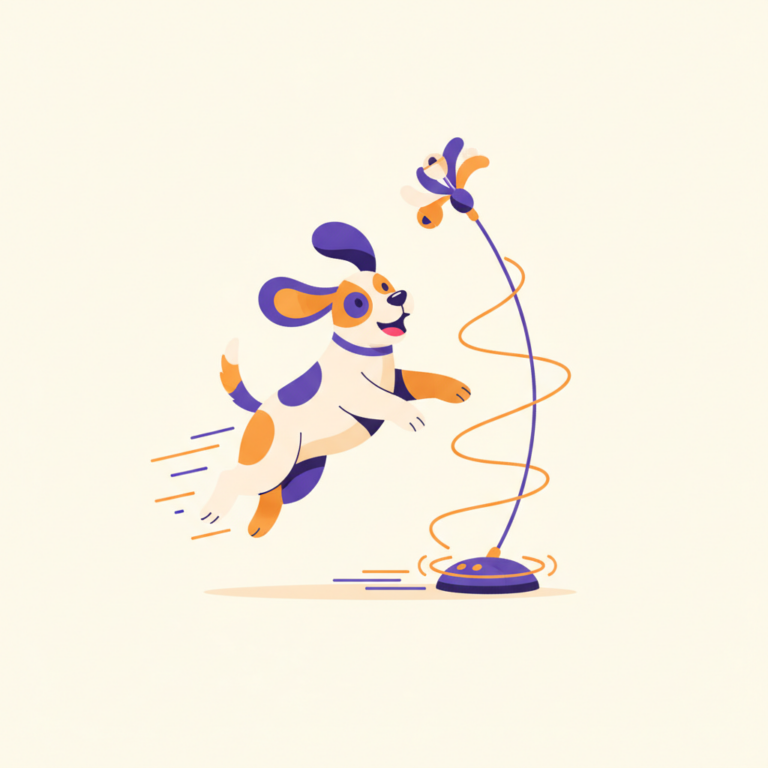
Wand and Teaser Toys: These toys typically consist of a long stick with a string attached to a toy at the end. They are excellent for mimicking the movement of prey, allowing you to engage your cat in a playful chase. Wand toys are particularly good for owner-play sessions, as they require direct interaction with the cat.
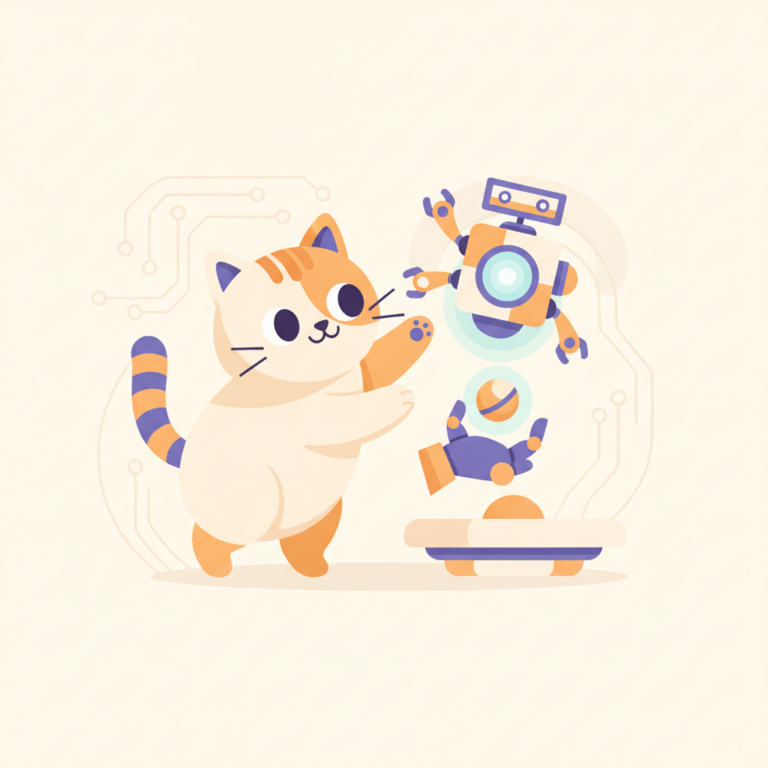
Motorized and Electronic Toys: These toys often feature moving parts or erratic movements that can captivate a cat’s attention. Examples include robotic mice or spinning feather toys. They are ideal for solo play, as they can keep a cat entertained even when you’re not around.
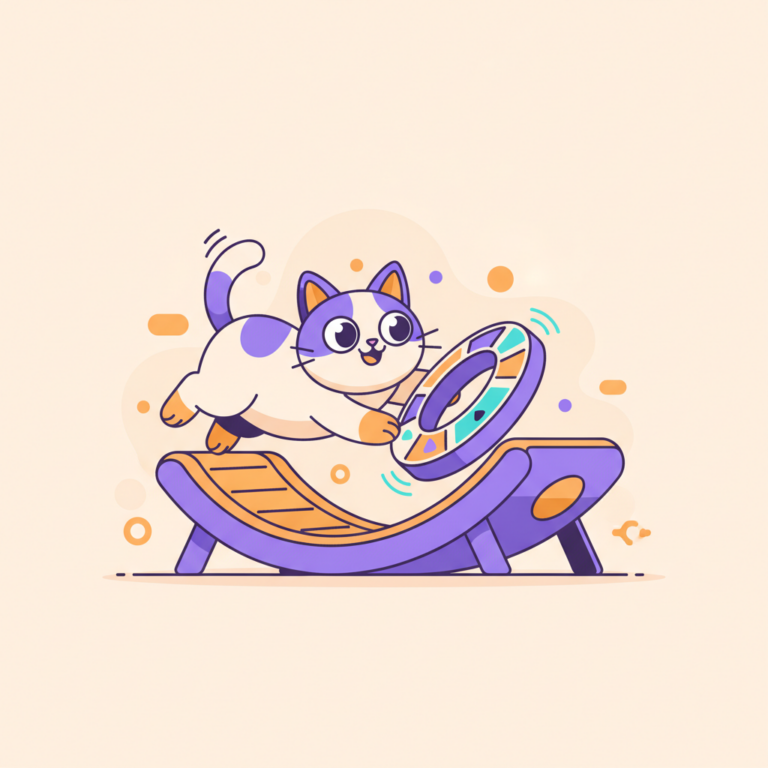
Track Balls and Rolling Toys: These toys involve balls or other objects that move along a track or surface. Cats are naturally drawn to moving objects, and these toys provide endless entertainment as the cat bats and chases the balls. They are suitable for both solo and interactive play.
Laser Toys: Laser pointers emit a small, moving light that cats love to chase. They are highly engaging and can provide a great workout. However, it’s important to use them safely, ensuring the cat never has direct access to the laser beam, as it can harm their eyes.
Puzzle Feeders: These toys combine play with feeding, requiring cats to solve simple puzzles to access their food. They are excellent for mental stimulation and can slow down fast eaters, aiding digestion.
To better understand the differences between these types of toys, consider the following table:
| Type of Toy | Best For | Pros | Cons |
|---|---|---|---|
| Wand and Teaser Toys | Owner-Play | Engaging, mimics prey movement | Requires human interaction |
| Motorized and Electronic Toys | Solo Play | Provides continuous entertainment | Can be noisy, may require batteries |
| Track Balls and Rolling Toys | Both | Encourages natural hunting behavior | May lose interest over time |
| Laser Toys | Owner-Play | Highly engaging, provides exercise | Risk of eye damage if not used properly |
| Puzzle Feeders | Solo Play | Combines play with feeding, mental stimulation | May require supervision to ensure proper use |
How Can You Choose the Right Interactive Toy Based on Your Cat’s Prey Drive and Play Style?
Choosing the right interactive toy for your cat depends largely on their prey drive and play style. Every cat is unique, and understanding their individual preferences can help you select toys that will keep them engaged and entertained.
Assessing Prey Drive: Cats with a high prey drive are often more interested in toys that mimic the movement of prey. These cats enjoy chasing, stalking, and pouncing on toys that move quickly or unpredictably. Wand and teaser toys are ideal for these cats, as they allow you to control the movement and engage the cat in a playful chase. Laser toys are also excellent for high-prey-drive cats, as they provide a fast-moving target that is difficult to catch.
Understanding Play Style: Some cats prefer to play aggressively, while others are more laid-back. Cats that enjoy aggressive play may prefer toys that they can grab, bite, and kick, such as plush toys or toys with dangling parts. On the other hand, cats that are more gentle in their play may enjoy toys that they can swat and chase, like track balls or rolling toys.
Matching Toys to Play Style: For cats that are playful and energetic, motorized toys that move unpredictably can provide hours of entertainment. These toys can keep a cat engaged even when you’re not available for play. For more laid-back cats, puzzle feeders or toys that require problem-solving can be a great choice, as they provide mental stimulation without being overly stimulating.
Considering Age and Energy Level: Younger cats and kittens typically have more energy and a stronger prey drive, making them ideal candidates for toys that involve chasing and pouncing. Older cats may prefer quieter, less intense toys, such as puzzle feeders or gentle rolling toys. It’s important to consider your cat’s age and energy level when selecting toys, as this will ensure they are both safe and enjoyable.
By understanding your cat’s prey drive, play style, age, and energy level, you can choose interactive toys that will provide the most enjoyment and benefit. Remember to rotate toys regularly to keep your cat interested and prevent boredom.
What Should You Consider When Selecting Interactive Toys for Solo Play vs. Owner-Play?
When selecting interactive toys for your cat, it’s important to consider whether the toy is intended for solo play or owner-play. Each type of play has its own benefits and considerations, and choosing the right toys can enhance your cat’s play experience.
Solo Play Toys: These toys are designed to keep your cat entertained when you’re not available to play. They often involve moving parts or electronic components that can engage your cat’s attention. When selecting solo play toys, consider the following:
- Safety: Ensure the toy is safe for unsupervised play. Avoid toys with small parts that could be swallowed or strings that could be chewed off.
- Durability: Solo play toys should be durable enough to withstand rough handling. Look for toys made from sturdy materials that can endure biting and scratching.
- Entertainment Value: Choose toys that will keep your cat engaged. Motorized toys or puzzle feeders can provide continuous stimulation.
Owner-Play Toys: These toys are designed for interactive play between you and your cat. They often involve direct interaction, such as playing with a wand or teaser toy. When selecting owner-play toys, consider the following:
- Engagement: Choose toys that encourage interaction and engagement. Wand and teaser toys are excellent for this, as they allow you to control the movement and engage your cat in a playful chase.
- Control: Look for toys that give you control over the play experience. This will help ensure that the play is both safe and enjoyable for your cat.
- Variety: Use a variety of toys to keep the play experience fresh and exciting. Rotate toys to prevent boredom and maintain your cat’s interest.
By considering the type of play and the specific needs of your cat, you can select interactive toys that will provide the most enjoyment and benefit. Remember to always supervise your cat during play and ensure that the toys are used safely.
How Do You Match Interactive Cat Toys to Your Cat’s Age and Energy Level?
When selecting interactive cat toys, it’s crucial to consider your cat’s age and energy level to ensure the toy will be both safe and engaging. Kittens, adult cats, and senior cats all have different needs and capabilities.
Kittens are full of energy and curiosity, making them ideal candidates for a variety of interactive toys. They are particularly drawn to toys that mimic the movement of prey, such as feather wands or small, motorized toys. However, it’s important to ensure that the toys are safe and do not have small parts that could be swallowed. Soft, plush toys with catnip can also be a hit with kittens.
Adult cats generally have more refined hunting skills and may prefer toys that challenge their agility and problem-solving abilities. Toys that can be chased, such as laser pointers or remote-controlled mice, are often popular. For cats with high energy levels, consider toys that require more physical exertion, like climbing towers with attached toys or interactive treat dispensers.
Senior cats may not have the same level of energy as younger cats, but they still benefit from interactive play. Look for toys that are easy to manipulate and don’t require a lot of physical effort. Soft, lightweight toys that can be batted around or slow-moving toys that allow for gentle interaction are ideal. Additionally, senior cats may enjoy puzzle toys that stimulate their minds without being physically demanding.
Consider your cat’s individual personality and energy level when choosing toys. Some cats may be more interested in toys that allow them to stalk and pounce, while others may prefer toys that can be chased. Observing your cat’s play style will help you select the most appropriate toys.
Key Considerations:
- Age-appropriate toys ensure safety and engagement.
- Energy level dictates the type of physical activity required.
- Observe your cat’s play preferences to guide your choices.
What Safety Precautions Should You Take with Interactive Cat Toys, Especially Strings and Lasers?
Safety is paramount when it comes to interactive cat toys. While these toys are designed to stimulate your cat’s natural hunting instincts, certain types can pose risks if not used correctly.
Strings and Tassels: Toys with strings, ribbons, or tassels can be dangerous if left unsupervised. Cats may ingest these items, leading to intestinal blockages. Always supervise your cat during play and put the toys away after use. If you notice any fraying or loose parts, replace the toy immediately.
Lasers: Laser pointers can provide endless entertainment for cats, but they come with their own set of risks. The intense light can potentially damage your cat’s eyes if shone directly into them. To avoid this, never point the laser directly at your cat’s face. Instead, aim it at the floor or walls and let your cat chase the moving dot. Additionally, always end the play session with a tangible toy or treat to prevent your cat from becoming frustrated by the elusive light.
Small Parts: Toys with small parts, such as bells or plastic components, can be swallowed and cause choking or internal injuries. Inspect toys regularly for any signs of wear and tear, and discard any that are damaged.
Electronic Toys: Ensure that any electronic toys are in good working order and that batteries are securely enclosed. Cats may try to chew on cords or batteries, which can be hazardous.
By taking these precautions, you can ensure that your cat enjoys interactive play safely.
Key Safety Tips:
- Supervise play with string-like toys.
- Avoid direct laser pointer contact with eyes.
- Check for and replace damaged toys.
- Secure battery compartments.
How Can You Rotate Interactive Toys to Keep Your Cat Engaged and Prevent Boredom?
Cats can become bored with the same toys if they are left out all the time. To keep your cat engaged and stimulated, it’s important to rotate interactive toys regularly.
Create a Toy Rotation: Set aside a few toys for each week and store the rest out of sight. This keeps the toys feeling new and exciting. When you reintroduce a toy after a few weeks, your cat will likely be more interested in it.
Mix It Up: Offer a variety of toys that cater to different play styles. For example, one day you might use a feather wand, the next a laser pointer, and then a puzzle toy. This variety mimics the unpredictability of hunting in the wild and keeps your cat mentally and physically engaged.
Introduce New Toys Gradually: When you bring a new toy into the rotation, let your cat explore it at their own pace. Some cats may be hesitant at first, so be patient and let them approach the toy when they are ready.
Interactive Play Sessions: Schedule regular play sessions with your cat. This not only helps with bonding but also ensures that your cat gets the exercise and mental stimulation they need. Aim for at least two to three short play sessions each day.
Monitor Your Cat’s Interest: Pay attention to which toys your cat responds to most and adjust the rotation accordingly. If a toy doesn’t capture your cat’s interest, try reintroducing it later or consider donating it.
By rotating toys and play styles, you can prevent boredom and keep your cat entertained.
Tips for Rotation:
- Create a weekly toy schedule.
- Incorporate a variety of play styles.
- Introduce new toys slowly.
- Schedule regular interactive play sessions.
- Observe and adapt to your cat’s preferences.
What Are Common FAQs About Interactive Cat Toys and How Can You Troubleshoot Issues?
As a pet owner, you may have questions about interactive cat toys and how to address any issues that arise. Here are some common FAQs and troubleshooting tips:
1. Why doesn’t my cat play with the toy? If your cat isn’t interested, try different types of toys to see what captures their attention. Sometimes, cats need time to get used to a new toy, so be patient. You can also try moving the toy in a way that mimics prey movement to spark their interest.
2. How often should I play with my cat? Aim for at least two to three short play sessions each day. This helps maintain your cat’s physical health and mental stimulation.
3. Can interactive toys replace human interaction? While interactive toys are beneficial, they should not replace human interaction. Spend quality time with your cat to strengthen your bond and provide the social interaction they need.
4. What if my cat becomes aggressive with the toy? If your cat starts to bite or scratch aggressively, redirect their attention to a different toy or activity. Ensure that the toys are not small enough to be swallowed and that they are not damaged.
5. How do I clean interactive toys? Follow the manufacturer’s cleaning instructions. For electronic toys, ensure that the electronic components are not exposed to water. For plush toys, check if they are machine washable.
6. What if my cat is scared of the toy? Introduce the toy slowly and let your cat approach it at their own pace. You can also try placing the toy near your cat while they are calm and see if they show interest.
By addressing these common questions and issues, you can ensure that your cat gets the most out of their interactive toys.
Troubleshooting Tips:
- Experiment with different toys.
- Be patient and allow exploration.
- Redirect aggressive behavior.
- Follow cleaning instructions.
- Introduce toys gradually.
How to Choose the Right Interactive Cat Toy for You
Choosing the right interactive cat toy involves considering your cat’s preferences, your lifestyle, and the toy’s features. Here’s a practical guide to help you make an informed decision:
1. Assess Your Cat’s Play Style: Observe how your cat likes to play. Do they prefer chasing, stalking, or pouncing? Choose toys that align with their natural instincts and play style.
2. Consider Your Cat’s Age and Energy Level: As discussed earlier, age and energy level are crucial factors. Ensure the toy is appropriate for your cat’s age and activity level.
3. Think About Your Own Schedule: If you have a busy lifestyle, consider toys that can be used independently, such as automatic laser toys or puzzle feeders. However, remember that interactive play with you is still important for bonding.
4. Look for Durability: Choose toys that are made from durable materials and can withstand your cat’s play. This ensures longevity and safety.
5. Prioritize Safety: Always check for any potential hazards, such as small parts or loose strings. Ensure that the toy is safe for your cat to play with.
6. Evaluate Ease of Use: Consider how easy the toy is to operate and maintain. Some toys may require batteries or frequent cleaning, which can affect your decision.
By considering these factors, you can select an interactive cat toy that will provide your cat with hours of enjoyment and stimulation.
Decision Guidance:
- Align toys with your cat’s play style.
- Match toy complexity to your cat’s age and energy.
- Choose toys that fit your schedule.
- Select durable and safe options.
- Consider maintenance requirements.
Key takeaways
- Assess your cat's prey drive and play style.
- Select toys that encourage natural hunting behaviors.
- Prioritize safety with strings and small parts.
- Rotate toys to prevent boredom and maintain interest.
- Consider your cat's age and energy level.
Frequently asked questions
How do I choose the right interactive cat toy?
Consider your cat's play style and prey drive. Active hunters may prefer wand toys, while curious cats might like motorized toys.
Are laser toys safe for cats?
Laser toys are generally safe but ensure they have a low power setting and never shine them directly into your cat's eyes.
How often should I rotate my cat's toys?
Rotate toys every few days to keep your cat engaged and prevent boredom.
What age is appropriate for interactive toys?
Interactive toys are suitable for cats of all ages, but choose age-appropriate options for kittens and senior cats.
Do interactive toys require batteries or charging?
Some do, like motorized or electronic toys, so check product details and have spare batteries if needed.
How durable are interactive cat toys?
Durability varies; look for well-made toys and inspect them regularly for wear and tear.
What is the typical cost range for interactive cat toys?
Prices vary widely, from $5 for basic toys to $50 or more for high-tech options.
Can interactive toys replace owner playtime?
While interactive toys can entertain cats alone, they shouldn't replace regular playtime with owners.
Are there any safety concerns with string toys?
Yes, strings can be swallowed; always supervise play and store string toys out of reach when not in use.
How do I clean interactive cat toys?
Follow manufacturer instructions, but most toys can be wiped with a damp cloth or cleaned with mild soap and water.