Best Interactive Dog Toys for Small Dogs
Choose interactive toys that match your small dog's size, energy level, and chewing habits. Look for durable materials, safety features, and adjustability for growing dogs.
Why Interactive Dog Toys are Essential for Small Breeds
When it comes to keeping small dog breeds mentally and physically stimulated, interactive dog toys are not just a luxury—they are essential. Small dogs, such as Chihuahuas, Dachshunds, and Shih Tzus, often have a lot of energy packed into their tiny frames. Without the right outlets for this energy, they can become bored, anxious, or even develop behavioral issues. Interactive toys are designed to engage your pet’s natural instincts, providing both mental and physical exercise that is crucial for their overall well-being.
Small dogs are known for their intelligence and curiosity. They thrive on activities that challenge their minds and keep them entertained. Interactive toys can help satisfy this need by offering a variety of challenges, from simple treat-dispensing puzzles to more complex games that require problem-solving skills. This mental stimulation is particularly important for small breeds, as they are often more prone to anxiety and stress when left alone or under-stimulated.
In addition to mental exercise, interactive toys provide much-needed physical activity. Small dogs may not require as much space to run around as larger breeds, but they still need regular exercise to maintain a healthy weight and prevent obesity-related health issues. Toys that encourage movement, such as fetch toys or tug-of-war games, can help your small dog burn off excess energy and stay fit.
Another key benefit of interactive toys is that they can help prevent destructive behaviors. Dogs that are bored or anxious may resort to chewing on furniture, shoes, or other household items. By providing your small dog with engaging toys, you can redirect this behavior and give them a more appropriate outlet for their chewing instincts.
When choosing interactive toys for your small dog, it’s important to consider their individual personality and preferences. Some dogs may be more motivated by food rewards, while others may prefer toys that challenge their problem-solving skills. Observing your dog’s play habits and preferences can help you select the most suitable toys for their needs.
Benefits of Interactive Toys for Small Dogs
- Mental Stimulation: Keeps your dog’s mind active and engaged, reducing boredom and anxiety.
- Physical Exercise: Encourages movement and helps maintain a healthy weight.
- Behavioral Improvement: Reduces destructive behaviors by providing appropriate outlets for energy and chewing instincts.
- Bonding Opportunities: Provides a chance for you to interact with your dog and strengthen your relationship.
Considerations for Small Breeds
While interactive toys offer numerous benefits, it’s crucial to select toys that are appropriately sized for small dogs. Toys that are too large or heavy can be difficult for small breeds to manipulate, while those that are too small can pose a choking hazard. Additionally, small dogs may have different strength and dexterity levels, so it’s important to choose toys that match their physical capabilities.
Durability is another important factor. Small dogs can be enthusiastic chewers, so toys need to be able to withstand some rough play. Look for toys made from sturdy materials that can endure your dog’s chewing habits without breaking apart.
Finally, consider the safety of the toy. Avoid toys with small parts that could be swallowed or sharp edges that could injure your dog. Always supervise your pet during playtime, especially when they are trying out a new toy for the first time.
In the next section, we will explore the main types of interactive toys available for small dogs, helping you understand the options and make an informed decision.
What Are the Main Types of Interactive Dog Toys for Small Dogs?
Interactive dog toys come in a variety of forms, each designed to cater to different aspects of your small dog’s play preferences and needs. Understanding the main types can help you choose the most suitable toys for your pet. Here, we break down the primary categories and what makes them appealing for small breeds.
1. Treat-Dispensing Toys
Treat-dispensing toys are a popular choice for small dogs because they combine the excitement of a reward with the challenge of problem-solving. These toys typically require the dog to manipulate the toy in some way to release the treat, providing both mental and physical stimulation.
Best for: Dogs that are motivated by food rewards and enjoy problem-solving.
Pros:
- Keeps dogs entertained for extended periods.
- Helps with portion control by turning meals into a game.
- Provides mental stimulation and reduces boredom.
Watch-outs:
- Requires supervision to ensure the dog doesn’t chew the toy itself.
- May not be suitable for dogs with dietary restrictions or allergies.
2. Fetch and Tug Toys
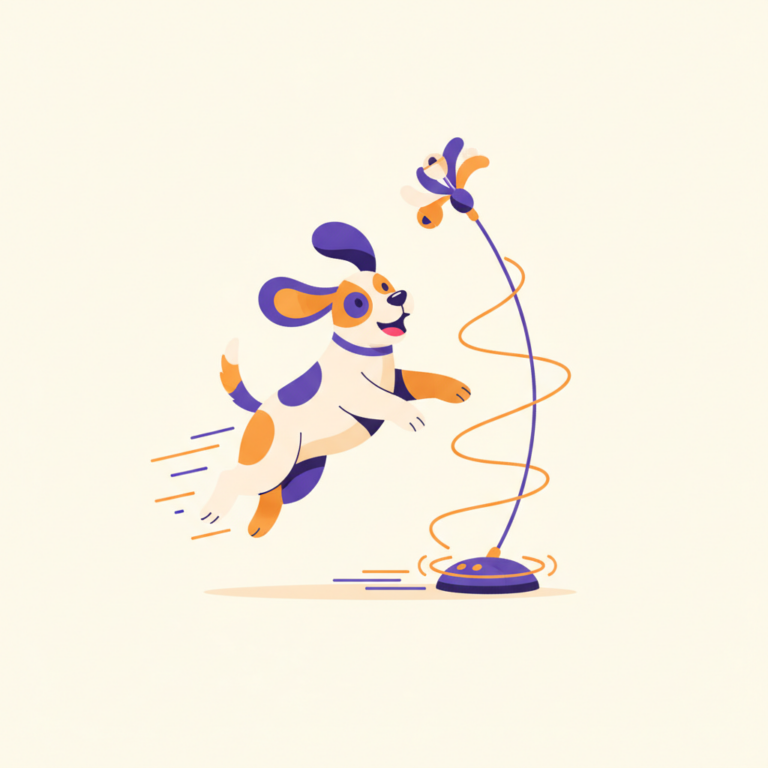
Fetch and tug toys are classic interactive toys that encourage physical activity and play. These toys are designed to be thrown, tugged, or chased, making them ideal for energetic small dogs that love to play.
Best for: Active dogs that enjoy playtime with their owners.
Pros:
- Promotes exercise and helps burn off energy.
- Strengthens the bond between dog and owner.
- Provides a fun and engaging play experience.
Watch-outs:
- May not be suitable for dogs with joint issues or mobility problems.
- Requires supervision to prevent accidental swallowing of small parts.
3. Puzzle Toys
Puzzle toys challenge dogs to solve problems to access a reward, such as a treat or a toy. These toys are designed to engage a dog’s natural problem-solving skills and keep them mentally stimulated.
Best for: Dogs that enjoy challenges and have a strong desire to work for their rewards.
Pros:
- Provides mental stimulation and cognitive exercise.
- Can help improve problem-solving skills.
- Offers a long-lasting play experience.
Watch-outs:
- May require some training for the dog to understand how to use the toy.
- Should be inspected regularly for wear and tear.
4. Squeaky Toys
Squeaky toys are designed to mimic the sound of prey, appealing to a dog’s hunting instincts. These toys can provide hours of entertainment and are particularly popular among small dogs that enjoy interactive play.
Best for: Dogs that are attracted to sound and enjoy interactive play.
Pros:
- Engages a dog’s natural instincts.
- Provides a fun and engaging play experience.
- Can be used for solo play or interactive play with owners.
Watch-outs:
- May not be suitable for dogs that are overly aggressive with their toys.
- Small parts can pose a choking hazard if the toy is damaged.
How to Choose the Right Size Interactive Toy for Your Small Dog
Selecting the right size interactive toy for your small dog is crucial for ensuring both safety and enjoyment. Small dogs come in a variety of shapes and sizes, and their toys should be appropriately matched to their physical characteristics and play preferences. Here are some key factors to consider when choosing the right size interactive toy for your small dog.
1. Consider Your Dog’s Size and Weight
The size and weight of your dog will play a significant role in determining the appropriate size of the toy. A toy that is too large or heavy can be difficult for a small dog to manipulate, while a toy that is too small can pose a choking hazard. As a general rule, the toy should be proportional to your dog’s size, allowing them to comfortably interact with it without strain.
For example, a small Chihuahua may struggle with a large, heavy toy, whereas a slightly larger breed like a Beagle might find a medium-sized toy more suitable. Always consider your dog’s individual measurements and physical capabilities when selecting a toy.
2. Think About Your Dog’s Play Style
Different dogs have different play styles, and this will influence the type of toy they will enjoy. Some dogs are more interested in toys that they can chase, while others prefer toys that they can chew or manipulate. Observing your dog’s play habits can help you choose a toy that matches their preferences.
For instance, if your dog loves to chew, a durable chew toy might be the best choice. If they enjoy chasing and retrieving, a fetch toy might be more appropriate. Understanding your dog’s play style will help you select a toy that they will find engaging and enjoyable.
3. Look for Durable Materials
Small dogs can be enthusiastic chewers, so it’s important to choose toys made from durable materials that can withstand their play. Look for toys made from sturdy materials such as rubber, nylon, or hard plastic. Avoid toys made from soft materials like plush or foam, as these can be easily torn apart and pose a choking hazard.
Additionally, inspect the toy regularly for signs of wear and tear. If the toy shows significant damage, it should be replaced to prevent accidental ingestion of small parts.
4. Ensure Safety
Safety is a top priority when selecting interactive toys for small dogs. Avoid toys with small parts that could be swallowed or sharp edges that could injure your dog. Always supervise your pet during playtime, especially when they are trying out a new toy for the first time.
It’s also important to be aware of any potential choking hazards. If a toy has small parts or detachable pieces, it may not be suitable for small dogs. Always check the manufacturer’s recommendations and warnings before making a purchase.
5. Consider the Toy’s Functionality
Different interactive toys serve different purposes, so it’s important to consider what you want the toy to achieve. If you’re looking to provide mental stimulation, a puzzle toy might be the best choice. If you want to encourage physical activity, a fetch or tug toy might be more appropriate. Think about what you hope to accomplish with the toy and choose accordingly.
Here is a comparison table to help you select the right type of interactive toy for your small dog:
| Type | Best for | Pros | Watch-outs |
|---|---|---|---|
| Treat-dispensing | Dogs motivated by food rewards | Mental stimulation, portion control | Supervision needed, not for dogs with dietary restrictions |
| Fetch and tug | Active dogs that enjoy playtime | Promotes exercise, strengthens bond | Not for dogs with joint issues, supervision needed |
| Puzzle | Dogs that enjoy challenges | Mental stimulation, cognitive exercise | May require training, regular inspection for wear |
| Squeaky | Dogs attracted to sound | Engages hunting instincts, fun play experience | Not for aggressive chewers, small parts can be hazardous |
By considering these factors and using the comparison table as a guide, you can choose the right size interactive toy for your small dog, ensuring a safe and enjoyable play experience.
Key Features to Consider When Selecting Interactive Toys for Small Dogs
When choosing interactive dog toys for small breeds, it’s important to focus on several key features that will ensure the toy is engaging, safe, and appropriate for your pet’s needs. Here are the main factors to consider:
Durability
Small dogs may not have the jaw strength of larger breeds, but they can still be quite destructive, especially if they are aggressive chewers. Look for toys made from tough, durable materials that can withstand biting, chewing, and rough play. Rubber toys are often a good choice, as they are flexible yet strong. However, always check the quality of the rubber; it should be thick and not easily torn. For plush toys, ensure they have strong stitching and are made from high-quality, durable fabric.
Size and Weight
While we’ve already discussed choosing the right size toy for your small dog, it’s worth emphasizing that the toy should be neither too large nor too heavy. A toy that is too large can be difficult for a small dog to handle, while a toy that is too heavy can cause fatigue or even injury. The ideal toy should be easy for your dog to carry, toss, and manipulate with their paws or mouth.
Engagement Level
Interactive toys should capture your dog’s attention and keep them engaged. Look for toys that offer varying levels of challenge, such as puzzle toys that require your dog to solve a problem to get a treat. Toys that make noise, such as squeakers or crinkly materials, can also be very appealing to small dogs. However, be mindful of the noise level; some dogs may be frightened by loud or high-pitched sounds.
Safety
Safety is paramount when selecting any dog toy. For small dogs, avoid toys with small parts that can be chewed off and swallowed, as these can pose a choking hazard or cause intestinal blockage. Similarly, steer clear of toys with sharp edges or points that could injure your dog. If the toy contains a battery compartment, ensure it is securely sealed and inaccessible to your dog to prevent accidental ingestion.
Versatility
Consider toys that offer multiple ways to play. For example, a ball that can be used for fetch, tug-of-war, or as a treat dispenser provides more value and variety than a toy that only serves one purpose. This versatility can help keep your dog interested and prevent boredom.
Cleaning and Maintenance
Interactive toys can get dirty quickly, especially if they are used for treat dispensing or are frequently dropped on the ground. Look for toys that are easy to clean, such as those that can be washed in the dishwasher or wiped down with a damp cloth. This will help maintain hygiene and prolong the life of the toy.
Interactive Toys for Different Life Stages: Puppies, Adults, and Seniors
Interactive toys should be tailored to your dog’s life stage, as the needs and abilities of puppies, adult dogs, and senior dogs can vary significantly.
Puppies
Puppies are full of energy and curiosity, making interactive toys essential for their development. Look for toys that are soft, lightweight, and easy to handle, such as plush toys with squeakers or small rubber balls. Puzzle toys that dispense treats can also be beneficial, as they help stimulate your puppy’s problem-solving skills and keep them occupied. Always ensure the toy is appropriate for your puppy’s age and size, and avoid toys with small parts that could be swallowed.
Adult Dogs
Adult small dogs typically have more stamina and a greater capacity for complex play. Consider interactive toys that offer a challenge, such as advanced puzzle toys or toys that require your dog to manipulate levers or buttons to release treats. Toys that encourage physical activity, such as tug toys or fetch balls, are also great for maintaining your dog’s fitness and coordination.
Senior Dogs
As dogs age, their energy levels and mobility may decrease, but their need for mental stimulation remains. For senior small dogs, focus on interactive toys that are easy to handle and don’t require a lot of physical exertion. Soft, lightweight toys with simple puzzle elements can be ideal. Additionally, toys that provide gentle mental stimulation, such as treat-dispensing toys with larger openings, can help keep your senior dog engaged without causing frustration.
Ensuring Safety: What to Look for in Interactive Dog Toys for Small Dogs
Safety is a critical consideration when selecting interactive toys for small dogs. Here are some key safety factors to keep in mind:
Material Safety
Ensure that the toy is made from non-toxic materials. Check the label for any warnings about harmful chemicals or substances. For plush toys, avoid those with small beads or fillings that could be ingested. If your dog has allergies, look for hypoallergenic materials.
Choking Hazards
Small dogs are particularly susceptible to choking, so avoid toys with small parts that could break off. This includes buttons, bells, or detachable pieces. If the toy has any removable parts, ensure they are securely attached and cannot be easily pulled off.
Durability
A durable toy reduces the risk of breakage and the potential for your dog to swallow pieces. Inspect the toy regularly for signs of wear and tear, and replace it if it becomes damaged.
Battery Safety
If the toy is electronic and uses batteries, make sure the battery compartment is securely sealed and inaccessible to your dog. Ingested batteries can cause serious harm.
Supervision
Even with the safest toys, it’s important to supervise your dog during play, especially if they are prone to aggressive chewing or have a history of swallowing foreign objects. This will allow you to intervene if any issues arise.
Durability and Value: How to Choose Long-Lasting Interactive Toys
When shopping for interactive dog toys for small breeds, durability and value for money are crucial considerations. Small dogs may not have the jaw strength of larger breeds, but they can be just as destructive if they get their paws on a flimsy toy. Here’s how to ensure you’re investing in toys that will stand the test of time:
Material Quality is the first thing to assess. Look for toys made from strong, non-toxic materials like heavy-duty rubber, nylon, or durable fabric. These materials can withstand chewing and rough play while being safe for your pet. Avoid toys with easily detachable parts, as these can become choking hazards.
Construction is another key factor. Check for reinforced seams and sturdy stitching, especially in plush toys. A well-constructed toy will have tight, secure seams that don’t easily come apart. For toys with moving parts, such as treat dispensers or puzzles, ensure that the mechanisms are robust and not easily broken.
Value for Money isn’t just about the price tag. A more expensive toy that lasts longer and keeps your dog engaged is often better value than a cheaper one that quickly gets destroyed. Consider the cost per play session rather than the initial purchase price. Also, look for toys that offer multiple ways to play, such as toys that can be used for fetch, tug-of-war, and solo play. This versatility can make a toy more appealing and extend its useful life.
Maintenance is often overlooked but can significantly impact a toy’s longevity. Choose toys that are easy to clean, as regular washing can prevent the buildup of dirt and bacteria. Some toys can be tossed in the washing machine, while others may require a simple wipe-down.
Here’s a quick-reference table to help you assess durability and value:
| Feature | Why It Matters |
|---|---|
| Material Quality | Ensures safety and longevity; look for non-toxic, durable materials |
| Construction | Reinforced seams and sturdy stitching prevent easy breakage |
| Versatility | Multiple play options extend the toy’s usefulness |
| Maintenance | Easy-to-clean toys stay hygienic and last longer |
By focusing on these aspects, you can find interactive toys that not only entertain your small dog but also provide long-lasting value.
Troubleshooting Common Issues with Interactive Dog Toys for Small Dogs
Even the best interactive toys can sometimes present challenges. Here are some common issues and how to address them:
1. Toy Destruction: If your dog quickly destroys toys, consider upgrading to more durable materials like heavy-duty rubber or nylon. For plush toys, look for those with reinforced stitching and no small parts that can be easily torn off.
2. Loss of Interest: Dogs can lose interest in toys that don’t offer enough challenge or variety. Try rotating toys to keep things fresh, or opt for toys that dispense treats to maintain engagement. Puzzle toys that require problem-solving can also rekindle interest.
3. Safety Concerns: If you notice any small parts coming off or the toy seems unsafe in any way, discontinue use immediately. Always supervise your dog during play, especially with new toys, to ensure they’re not swallowing anything they shouldn’t.
4. Noise: Some interactive toys make noise, which can be bothersome. Look for toys that offer a quieter play experience, or consider the noise level before purchasing.
5. Size Inappropriateness: Ensure the toy is the right size for your dog. A toy that’s too small can be swallowed, while one that’s too large may not be engaging. Refer to size guidelines and consider your dog’s mouth size when choosing.
6. Overstimulation: While interactive toys are great, too much stimulation can lead to over-excitement. Monitor playtime and provide breaks as needed.
Frequently Asked Questions About Interactive Dog Toys for Small Dogs
Q: How long should my dog play with interactive toys?
A: It depends on the toy and your dog’s energy level. Generally, 15-30 minutes of supervised play is sufficient. Monitor your dog for signs of fatigue or overstimulation.
Q: Can interactive toys replace human interaction?
A: No, interactive toys should complement, not replace, human interaction. They’re great for solo play and mental stimulation but can’t replicate the bond and socialization of playing with you.
Q: Are there any age restrictions for interactive toys?
A: Yes, always check the age recommendations. Puppies may need softer toys, while seniors might benefit from gentler options. Always supervise play, especially for puppies and seniors.
Q: How often should I replace interactive toys?
A: Replace toys when they show significant wear and tear or when they no longer hold your dog’s interest. Regularly inspect toys for damage to ensure safety.
Key Takeaways: How to Choose the Best Interactive Dog Toys for Small Dogs
When selecting interactive toys for your small dog, keep these key points in mind:
- Size Matters: Ensure the toy is appropriate for your dog’s size to prevent choking hazards and ensure engagement.
- Material and Construction: Opt for durable, non-toxic materials and sturdy construction to ensure longevity and safety.
- Engagement Level: Choose toys that offer varying levels of challenge to keep your dog interested and stimulated.
- Safety: Always supervise play and inspect toys regularly for wear and tear.
- Value for Money: Consider the cost per play session and the toy’s versatility to get the best value.
By considering these factors, you can find interactive toys that provide both entertainment and enrichment for your small dog, enhancing their quality of life and strengthening your bond.
Key takeaways
- Size matters: ensure the toy is appropriate for small breeds.
- Durability is key for small dogs with strong jaws.
- Safety features like rounded edges and non-toxic materials are essential.
- Consider your dog's age, activity level, and play style.
- Opt for adjustable or multi-setting toys for long-term use.
Frequently asked questions
How do I choose the right size interactive toy for my small dog?
Select toys designed specifically for small breeds, ensuring they are not too large or small for your dog to handle comfortably.
What are the main types of interactive toys for small dogs?
Common types include treat-dispensing toys, puzzle toys, tug toys, and automated moving toys.
What should I look for in terms of safety?
Look for rounded edges, non-toxic materials, and secure parts to prevent choking hazards.
How do I ensure the toy is suitable for my dog's age?
Puppies may need softer toys, while adult dogs can handle more durable options. Senior dogs might prefer quieter, less challenging toys.
What features indicate a durable interactive toy?
Durable toys are often made from strong rubber or hard plastic and have reinforced seams and moving parts.
Are there interactive toys that don't require batteries?
Yes, many treat-dispensing and puzzle toys are mechanical and don't require batteries.
How much should I expect to spend on an interactive toy for a small dog?
Prices vary, but you can find quality options between $10 and $30, with some high-end models costing more.
How often should I replace my dog's interactive toy?
Replace toys when they show significant wear and tear or if they become a choking hazard.
Can interactive toys help with my dog's behavior issues?
Yes, they can provide mental stimulation and reduce boredom, which may help with behavioral problems.
How do I clean interactive toys?
Most toys can be cleaned with mild soap and water, but always check the manufacturer's instructions.